
Alpha-GPC is a choline compound your brain uses to make acetylcholine, the neurotransmitter behind attention, memory and muscle activation. Free Will, a dietary supplement, carries 300 mg of 50% alpha-GPC, which is 150 mg of active alpha-GPC per scoop, roughly 60 mg of choline.
That is a deliberately low dose. Most trials use 300–1,200 mg. In healthy adults, single doses of 315–630 mg improved one attention test (Stroop) in 20 men, 4 and 600 mg a day for six days raised lower-body isometric force in 13 men; 7 trials at 200–500 mg found no significant cognitive or mood effects. 5,6 We chose 150 mg because headaches were reported at 300 mg and above. No trial has tested 150 mg on its own, and we don't claim it does what the higher doses did.
Key facts
| Fact | Detail |
|---|---|
| Names | Alpha-GPC; L-alpha-glycerylphosphorylcholine; choline alfoscerate (the drug name in Europe and Asia); glycerophosphocholine. A choline-containing phospholipid, first authorized as a medicine in 1985. 1 |
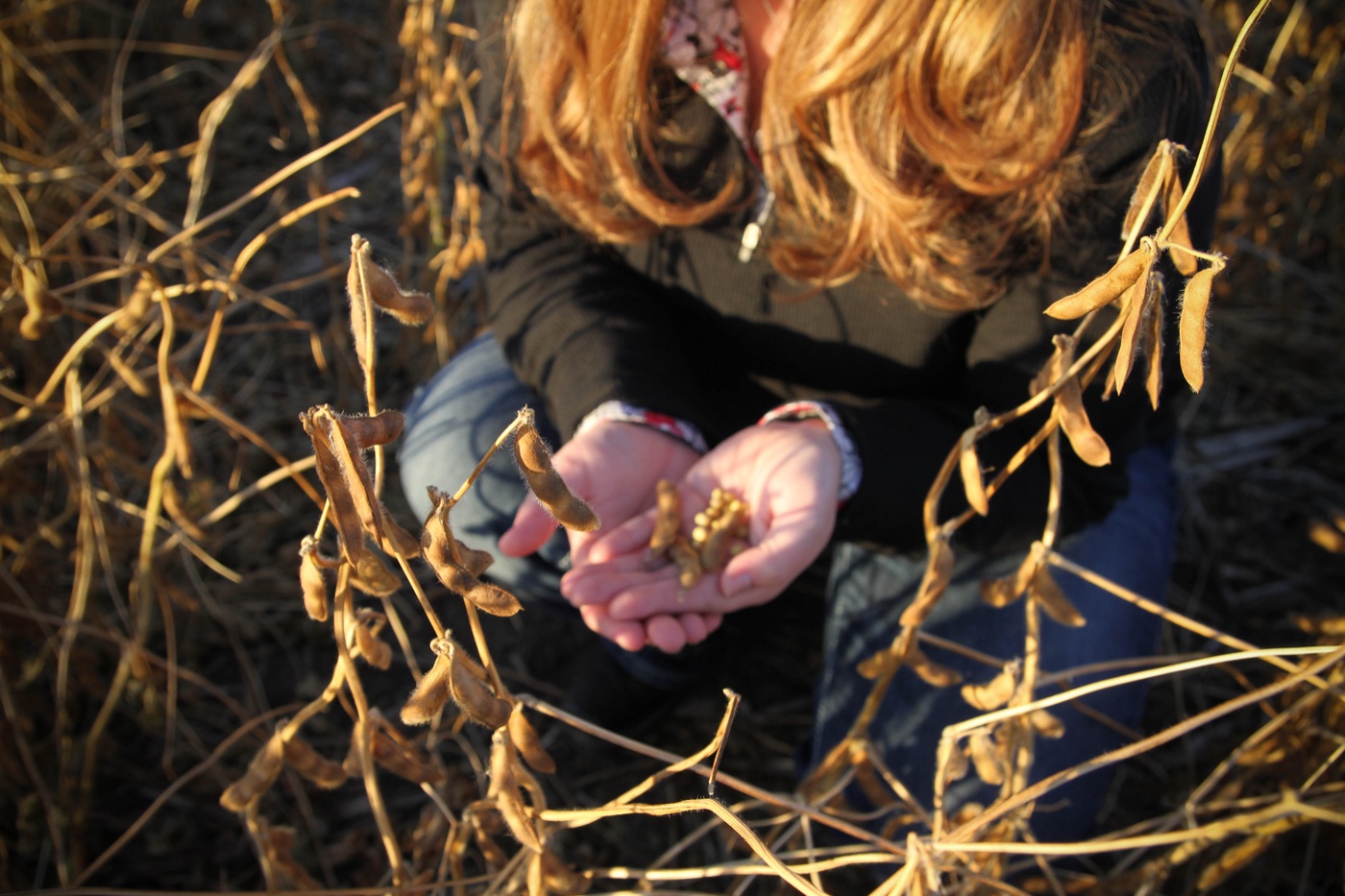
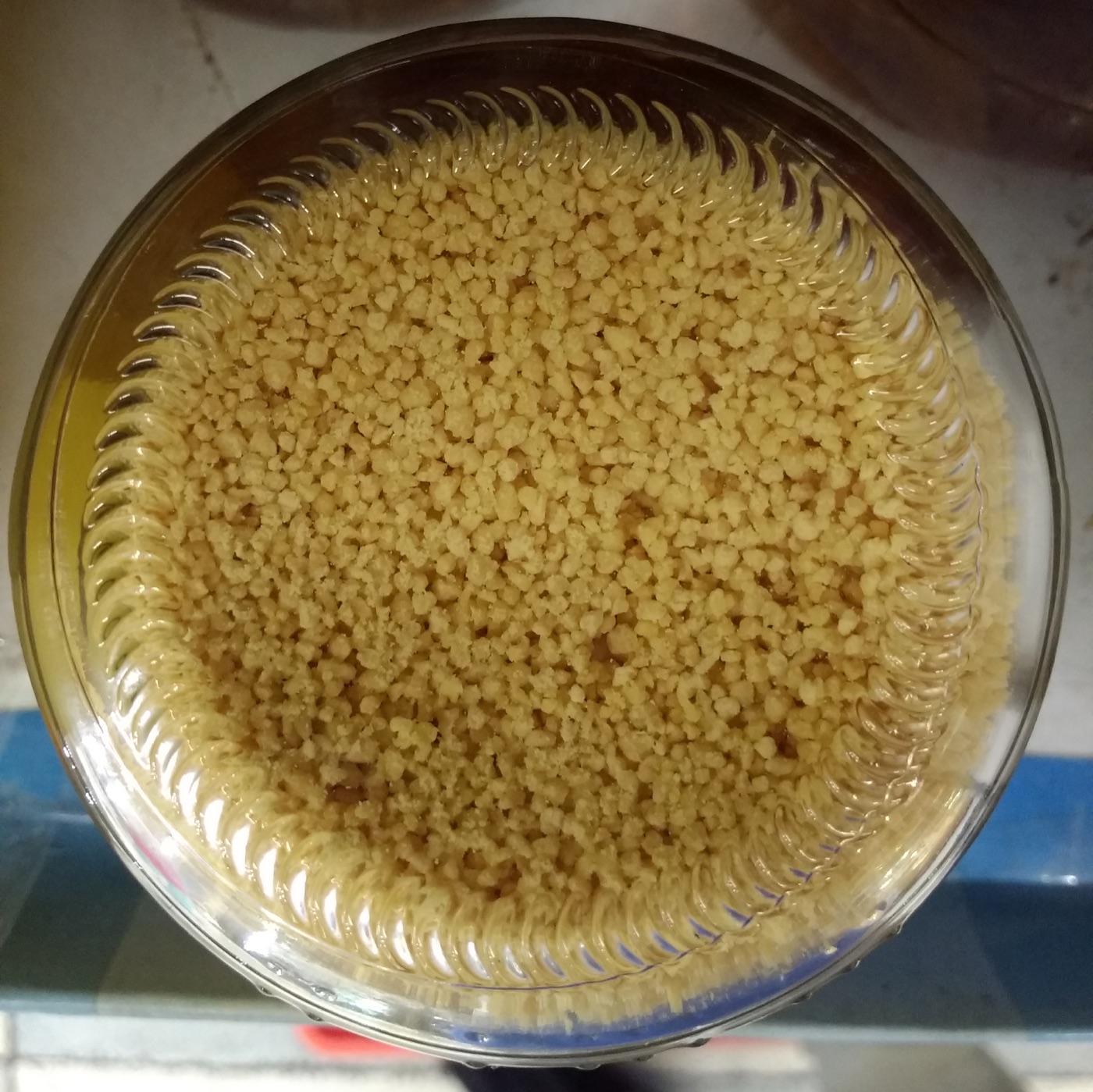
| Where it comes from | Your body makes it, and it occurs naturally in foods; in human milk it is one of the main forms of choline. 19 Commercial alpha-GPC is made by splitting the fatty acids off phosphatidylcholine from lecithin, typically soy. 18 |
| In Free Will | The Supplement Facts panel lists 300 mg of 50% alpha-GPC, which is 150 mg of alpha-GPC per scoop. By molecular weight that is about 60 mg of choline. Our supplier and source material will be published here once the first production batch and its paperwork are in hand. |
| Doses used in research | 200–1,000 mg single doses in the acute studies of healthy adults; 4,5,8,9 250–600 mg per day for 6–7 days in the strength studies; 6,7 400 mg per day for two weeks in the motivation study; 10 1,200 mg per day (400 mg three times daily) for 180 days in the Alzheimer's trial. 13 |
| How fast it absorbs | After 1,000 mg by mouth, plasma choline was significantly higher at 60 and 120 minutes in 8 healthy men. 9 One and two hours after a first dose of 250 or 500 mg, serum free choline was 59–132% above placebo across the two doses. 6 |
| Pairs with | Caffeine (150 mg) and L-theanine (250 mg) in the same scoop. No trial has tested alpha-GPC and caffeine as a pair. One crossover compared alpha-GPC against 200 mg caffeine, 5 and a 2010 trial of a ten-ingredient capsule containing 150 mg alpha-GPC and 60 mg caffeine in 19 students cannot separate either ingredient. 23 |
| Regulatory status | Sold in the U.S. as a dietary supplement ingredient. The only GRAS notice filed (up to 600 mg per serving in drinks and powders) was withdrawn in 2024 before FDA reached a conclusion, so there is no FDA "no questions" letter for alpha-GPC. 21 In Italy, Russia and South Korea it is a prescription medicine. 1 |
Why 150 mg, not 300 or 600
The plain version. The alpha-GPC research people quote, sharper Stroop scores, more force on a mid-thigh pull, a growth-hormone spike after squats, was done at 300 to 1,200 mg. 4,7,8,13 Free Will carries 150 mg: under half the lowest dose in the trial with the clearest cognitive result, and below the 250–600 mg per day the strength studies used. 6,7
Riley chose the milder dose because headaches were reported at 300 mg and above. That is a reported side effect, not a trial finding: the abstracts we cite don't report headache rates, and they don't establish a 300 mg threshold either way. The two-week study at 400 mg per day reported no side effects in the 20 people who took it. 10 That is the real reason for the number.
What 150 mg does deliver: about 60 mg of choline, an essential nutrient roughly 90% of Americans under-consume, 20 in a form that raised blood choline within an hour in the studies that measured it. 6,9 The lowest doses that showed anything in healthy adults were 250–315 mg, 4,6 so 150 mg sits below the studied range; two scoops, the label maximum, is 300 mg.
What we don't claim: that 150 mg sharpens focus, builds strength or raises growth hormone. No trial has tested that dose on its own; the one trial that used 150 mg put it inside a ten-ingredient capsule with caffeine and cannot isolate it, 23 and a crossover of 20 adults at 200 and 400 mg found no significant effect on mood, cognition or performance. 5 Alpha-GPC is in Free Will as a choline source in the Focus & Mood stack, at a dose chosen for tolerability. If the evidence at 150 mg changes, this page changes with it.
Safety, and who should skip it
Short-term tolerability. A prescription medicine since 1985; a six-month, 261-patient Alzheimer's trial at 1,200 mg per day (eight times a scoop) reported it as well tolerated, 1,13 and 400 mg per day for two weeks produced no side effects in a 39-person trial (20 on alpha-GPC). 10 In the 20-man 2024 trial, adverse events were monitored and did not differ between alpha-GPC and placebo. 4 None of these studies tested it in a caffeinated formula.
Headache. The reason our dose is 150 mg: headache was reported at 300 mg and above. If you get one, stop, and don't push to two scoops. Caffeine can cause headache too; see the caffeine page.
Thyroid signal at 500 mg. In the 48-man strength study, thyroid-stimulating hormone was significantly lower in the 500 mg group in blood drawn one and two hours after the first dose, unexplained. 6 Free Will's dose is under a third of that. If you have a thyroid condition or take thyroid medication, mention alpha-GPC to your prescriber.
Long-term use and stroke: an open question. A South Korean cohort of 12 million adults over 50 found that people prescribed alpha-GPC in 2006–2008 had a higher 10-year stroke risk than matched non-users (adjusted hazard ratio 1.43), rising with longer use. 14 Those were patients taking it as a medicine at prescription doses, and an association in prescription records is not proof of cause. A mouse study found it promoted atherosclerosis in a high-cholesterol strain, with the choline metabolite TMAO as the proposed pathway. 15 On the other side, a 2025 cohort of 508,000 Koreans with mild cognitive impairment found lower stroke risk in users who did not progress to dementia, 16 and a separate multicenter analysis found no association with dementia progression either way. 17 We read this as unresolved and worth knowing, especially if you have cardiovascular disease or a family history of stroke. Ask your doctor before adding any choline supplement.
Allergen. Commercial alpha-GPC is made from lecithin, typically soy. 18 We will publish our source once the first batch paperwork is in hand; if you have a soy allergy, read the allergen statement on the label.
Pregnancy, nursing, under 18. Not recommended, and the label says so. None of the trials above included pregnant or nursing women or anyone under 18, and this is a caffeinated formula.
What the research shows
Grades are our editorial read of the human evidence for each outcome, not a regulatory rating. MODERATE = several trials pointing the same way, or a meta-analysis. LIMITED = one or two small trials, or mixed results. NOT SHOWN = tested and not found. MECHANISM = a measured biological effect, not a felt benefit. Study details are quoted from published abstracts unless a reference says "full text read". Every study below used more than Free Will's 150 mg.
In healthy adults
| Outcome | Evidence | Grade |
|---|---|---|
| Attention and inhibition (Stroop test), single dose | 20 resistance-trained men, double-blind crossover: between 60 minutes after 630 or 315 mg and 30 minutes after a squat workout, Stroop total score rose more than on placebo (d = 0.61 and 0.48); no effect on Flanker or N-Back tasks, mood, jump, bench-press throw or growth hormone. 4 20 adults at 200 or 400 mg: serial subtraction 10.5% faster than placebo at 200 mg, not significant. 5 | LIMITED |
| Lower-body strength and power after 6–7 days | 13 college men, 600 mg per day for 6 days, crossover: isometric mid-thigh pull force rose versus placebo (+98.8 N vs −39.0 N; p = 0.044); the upper-body test did not reach significance. 7 48 college men, 250 or 500 mg per day for 7 days versus caffeine and placebo: no group differences in isometric strength or psychomotor vigilance; the 250 mg group showed the largest gains in jump velocity and power. 6 | LIMITED / MIXED |
| Growth hormone after a single dose | 7 trained men, 600 mg 90 minutes before squats: post-exercise peak growth hormone rose 44-fold versus 2.6-fold on placebo, and peak bench-press force was 14% higher. 8 8 men at rest, 1,000 mg: growth hormone up at 60 minutes, fat-oxidation markers at 120. 9 The 2024 trial at 315–630 mg found no growth-hormone difference. 4 A transient hormone spike is a mechanism, not a proven training outcome. | MECHANISM |
| Mood and motivation over two weeks | 39 healthy volunteers, single-blind, 400 mg at bedtime for two weeks: self-rated motivation showed a trend upward, reaching significance only for the night-time rating; no effect on anxiety. 10 | LIMITED |
| Mood, reaction time, speed, agility, single dose | 20 adults, 200 or 400 mg versus 200 mg caffeine and placebo: "no statistically significant beneficial effect on measures of mood, cognitive function, or physiological performance," which the authors attributed partly to large individual variability. 5 | NOT SHOWN |
| Raising blood choline | Serum free choline 59–132% above placebo one and two hours after a first dose of 250 or 500 mg; 6 plasma choline up at 60 and 120 minutes after 1,000 mg. 9 Consistent, but a blood level is not a benefit. | MECHANISM |
In diagnosed populations (context only)
| Outcome | Evidence | Grade |
|---|---|---|
| Cognitive scores in Alzheimer's and vascular cognitive impairment | A 2023 meta-analysis of 7 randomized trials and 1 cohort found alpha-GPC, alone or with donepezil, improved cognition, behavior and function in patients with cognitive impairment linked to cerebrovascular injury. 1 In the largest placebo-controlled trial, 261 people with mild-to-moderate Alzheimer's took 1,200 mg per day for 180 days; ADAS-Cog improved 3.2 points on treatment and worsened 2.9 on placebo. 13 Research in people with a diagnosed disease at eight times Free Will's dose; it says nothing about a scoop in a healthy adult, and Free Will treats nothing. | MODERATE (IN PATIENTS) |
Every trial in the first table was small (7–48 people), several were funded or supplied by an alpha-GPC manufacturer (noted in the references), and none tested 150 mg. That is the honest state of the evidence.
How it works
Neurons cannot make choline; it arrives from the diet through the bloodstream and is the raw material for acetylcholine. 2 The catch, documented in the older dementia research, is that plain choline or lecithin raises blood choline without doing much for acetylcholine synthesis or release in the brain; the precursors that seem to work are the ones incorporated into brain phospholipids first, and alpha-GPC has the most consistent record among them. 2,3 In animals it increases acetylcholine release in the hippocampus, 3 and one rat study found it also raised dopamine and serotonin in parts of the cortex, one reason the human motivation study was run. 10,22
Swallowed, alpha-GPC splits into glycerophosphate and free choline; blood choline rises within an hour and stays up for at least two. 9 The exercise findings, more force and a short growth-hormone spike, are usually explained by acetylcholine at the neuromuscular junction and acetylcholine-driven catecholamine release. 8,9 Those are proposed mechanisms from small studies; whether any of it happens at 150 mg has not been measured.
50% vs 99%. Pure alpha-GPC is hygroscopic: it pulls water from the air and turns from powder to gel. Many powdered products use a 50% grade, alpha-GPC on a dry carrier, which flows and mixes; higher grades (85–99%) go into capsules and liquids. Same molecule either way. What matters is the active amount: ours is 150 mg from 300 mg of the 50% grade. When a label says "300 mg alpha-GPC" with no percentage, ask which grade.
History
Alpha-GPC was not invented by a supplement company. It is a natural intermediate in choline metabolism that has been in human milk all along; a 1996 analysis found glycerophosphocholine and phosphocholine were the dominant choline forms in mature human milk, ahead of free choline. 19 Choline itself was recognized as an essential nutrient by the U.S. National Academies in 1998. 20
As a medicine, choline alfoscerate was authorized in 1985 and outlasted the other cholinergic precursors: choline and lecithin failed their dementia trials, while alpha-GPC and citicoline kept showing modest effects and stayed in use in Italy, Russia and South Korea. 1,2,3 Sports-nutrition interest starts with the 2008 growth-hormone abstract, 8 and a food-grade route from soy lecithin was described in 2020. 18 The one FDA GRAS notice ever filed for it was withdrawn in 2024. 21
Questions people ask
What is the right alpha-GPC dose?
There is no established one. Trials in healthy adults used 200–1,000 mg, with the clearest cognitive result at 315–630 mg 4 and strength results at 600 mg per day; 7 dementia trials used 1,200 mg per day. 13 Free Will's 150 mg is below the studied range on purpose, because headaches were reported at 300 mg and above. Two scoops, the label maximum, is 300 mg.
Can you take alpha-GPC with caffeine?
Free Will does, in one scoop: 150 mg alpha-GPC with 150 mg caffeine and 250 mg L-theanine. No trial has tested the pair on their own; a 2010 trial of a ten-ingredient capsule with 150 mg alpha-GPC and 60 mg caffeine cannot isolate either. 23 One crossover compared them head-to-head: 200 mg caffeine produced more self-rated jitteriness than 400 mg alpha-GPC, and neither beat placebo on mood or performance. 5 Free Will is not for people who are caffeine-sensitive; that is on the label.
Does alpha-GPC cause headaches?
It can for some people. Headaches were reported at 300 mg and above, which is why Free Will's dose is 150 mg. That is a reported side effect, not a published finding: the abstracts we cite don't report headache rates, and 400 mg per day for two weeks produced no side effects in the 20 people who took it. 10 If you get one, stop.
What does alpha-GPC 50% vs 99% mean?
Pure alpha-GPC absorbs water from the air and turns to gel, so many powders use a 50% grade carried on a dry excipient. Free Will's label reads 300 mg of alpha-GPC 50%, which is 150 mg of alpha-GPC. A 99% grade is the same molecule in a form suited to capsules. Compare products by the active milligrams, not the grade.
Alpha-GPC vs citicoline: which is better?
For a healthy adult, nobody knows; there is no head-to-head oral trial. By molecular weight alpha-GPC is about 40% choline and citicoline about 20%. In 12 volunteers given 1,000 mg of each by injection, alpha-GPC raised plasma choline considerably more. 11 In a 2025 meta-analysis of three trials in dementia patients, alpha-GPC scored better on a global clinical scale but no differently on memory or word-fluency tests. 12 That is research in patients, not evidence for a supplement.
How much choline is in 150 mg of alpha-GPC?
About 60 mg, by molecular weight. Choline is an essential nutrient, and roughly 90% of Americans fall below the Adequate Intake. 20 A scoop is a top-off, not a day's choline.
References
Every source below was opened before it was linked. Study sizes, doses and results are quoted from the published abstracts, except where a reference says "full text read" or "record read". Industry funding is noted where the source discloses it.
- Sagaro GG, Traini E, Amenta F. Activity of choline alphoscerate on adult-onset cognitive dysfunctions: a systematic review and meta-analysis. J Alzheimers Dis 2023. PubMed 36683513.
- Amenta F, Tayebati SK. Pathways of acetylcholine synthesis, transport and release as targets for treatment of adult-onset cognitive dysfunction. Curr Med Chem 2008. PubMed 18289004.
- Traini E, Bramanti V, Amenta F. Choline alphoscerate (alpha-glyceryl-phosphoryl-choline), an old choline-containing phospholipid with a still interesting profile as cognition enhancing agent. Curr Alzheimer Res 2013. PubMed 24156263.
- Kerksick CM, et al. Acute alpha-glycerylphosphorylcholine supplementation enhances cognitive performance in healthy men. Nutrients 2024. PubMed 39683633. Full text read. Test product supplied by an ingredient manufacturer.
- Parker AG, Byars A, Purpura M, Jäger R. The effects of alpha-glycerylphosphorylcholine, caffeine or placebo on markers of mood, cognitive function, power, speed, and agility. J Int Soc Sports Nutr 2015;12(Suppl 1):P41 (conference abstract). PMC4595381. Full text read. Supported by the ingredient's manufacturer.
- Marcus L, et al. Evaluation of the effects of two doses of alpha glycerylphosphorylcholine on physical and psychomotor performance. J Int Soc Sports Nutr 2017. PubMed 29042830.
- Bellar D, LeBlanc NR, Campbell B. The effect of 6 days of alpha glycerylphosphorylcholine on isometric strength. J Int Soc Sports Nutr 2015. PubMed 26582972.
- Ziegenfuss T, Landis J, Hofheins J. Acute supplementation with alpha-glycerylphosphorylcholine augments growth hormone response to, and peak force production during, resistance exercise. J Int Soc Sports Nutr 2008;5(Suppl 1):P15 (conference abstract). PMC3313098. Full text read. Supported in part by a grant from the ingredient's manufacturer.
- Kawamura T, et al. Glycerophosphocholine enhances growth hormone secretion and fat oxidation in young adults. Nutrition 2012. PubMed 22673596.
- Tamura Y, Takata K, Matsubara K, Kataoka Y. Alpha-glycerylphosphorylcholine increases motivation in healthy volunteers: a single-blind, randomized, placebo-controlled human study. Nutrients 2021. PubMed 34207484. Full text read.
- Gatti G, et al. A comparative study of free plasma choline levels following intramuscular administration of L-alpha-glycerylphosphorylcholine and citicoline in normal volunteers. Int J Clin Pharmacol Ther Toxicol 1992. PubMed 1428296.
- Sagaro GG, et al. Comparison of the effects of choline alphoscerate and citicoline in patients with dementia disorders: a systematic review and meta-analysis. Front Neurol 2025. PubMed 41426989.
- De Jesus Moreno Moreno M. Cognitive improvement in mild to moderate Alzheimer's dementia after treatment with the acetylcholine precursor choline alfoscerate: a multicenter, double-blind, randomized, placebo-controlled trial. Clin Ther 2003. PubMed 12637119.
- Lee G, et al. Association of L-α glycerylphosphorylcholine with subsequent stroke risk after 10 years. JAMA Netw Open 2021. PubMed 34817582.
- Wang Z, et al. The nutritional supplement L-alpha glycerylphosphorylcholine promotes atherosclerosis. Int J Mol Sci 2021. PubMed 34948275. Mouse study.
- Kim HK, et al. Association between L-α glycerylphosphorylcholine use and delayed dementia conversion: a nationwide longitudinal study in South Korea. J Prev Alzheimers Dis 2025. PubMed 40155153.
- Pyun JM, et al. Effect of choline alfoscerate on the progression from mild cognitive impairment to dementia: distributed network analysis of a multicenter Korean database using a common data model. Dement Neurocogn Disord 2024. PubMed 39512703.
- Kim J, et al. Enzymatic preparation of food-grade L-α-glycerylphosphorylcholine from soy phosphatidylcholine or fractionated soy lecithin. Biotechnol Prog 2020. PubMed 31513729.
- Holmes-McNary MQ, et al. Choline and choline esters in human and rat milk and in infant formulas. Am J Clin Nutr 1996. PubMed 8839502.
- Wallace TC, et al. Choline: the underconsumed and underappreciated essential nutrient. Nutr Today 2018. PubMed 30853718.
- U.S. FDA. GRAS Notice No. 1141, L-α-glycerophosphorylcholine as a source of choline at up to 600 mg per serving in beverages, powders and bars; closed April 29, 2024: "At the notifier's request, FDA ceased to evaluate this notice." FDA GRAS inventory. Record read.
- Tayebati SK, et al. Modulation of monoaminergic transporters by choline-containing phospholipids in rat brain. CNS Neurol Disord Drug Targets 2013. PubMed 23244432. Rat study.
- Hoffman JR, et al. The effects of acute and prolonged CRAM supplementation on reaction time and subjective measures of focus and alertness in healthy college students. J Int Soc Sports Nutr 2010. PubMed 21156078. Full text read for the formula's ingredient amounts.
Every milligram. On the label.
No proprietary blends, ever. See every ingredient and the full label on the ingredients & testing page.
More ingredients
GET EARLY ACCESS†These statements have not been evaluated by the Food and Drug Administration. This product is not intended to diagnose, treat, cure, or prevent any disease.