
Rhodiola rosea is a cold-climate root that Arctic and mountain peoples have used for centuries against fatigue. 2 Free Will, a dietary supplement, carries a labeled 400 mg of Rhodiola rosea root extract per scoop, specified at 3% rosavins and 1% salidroside, the top of the EU monograph's official daily range (144–400 mg) and inside the 100–600 mg a day used in human trials. 1,8,9,11,20
The best-studied outcome is mental fatigue under stress: night-shift doctors, students in exams and cadets each did better on fatigue tests than on placebo in small trials, though independent reviewers rate those trials as mixed in quality. 8,9,10,16,17 A single dose has also lowered perceived effort and slightly improved endurance in cyclists. 18,19,23 Mixed: thinking speed in rested people, and endurance from daily use. 15,18,20,22,24
Key facts
| Fact | Detail |
|---|---|
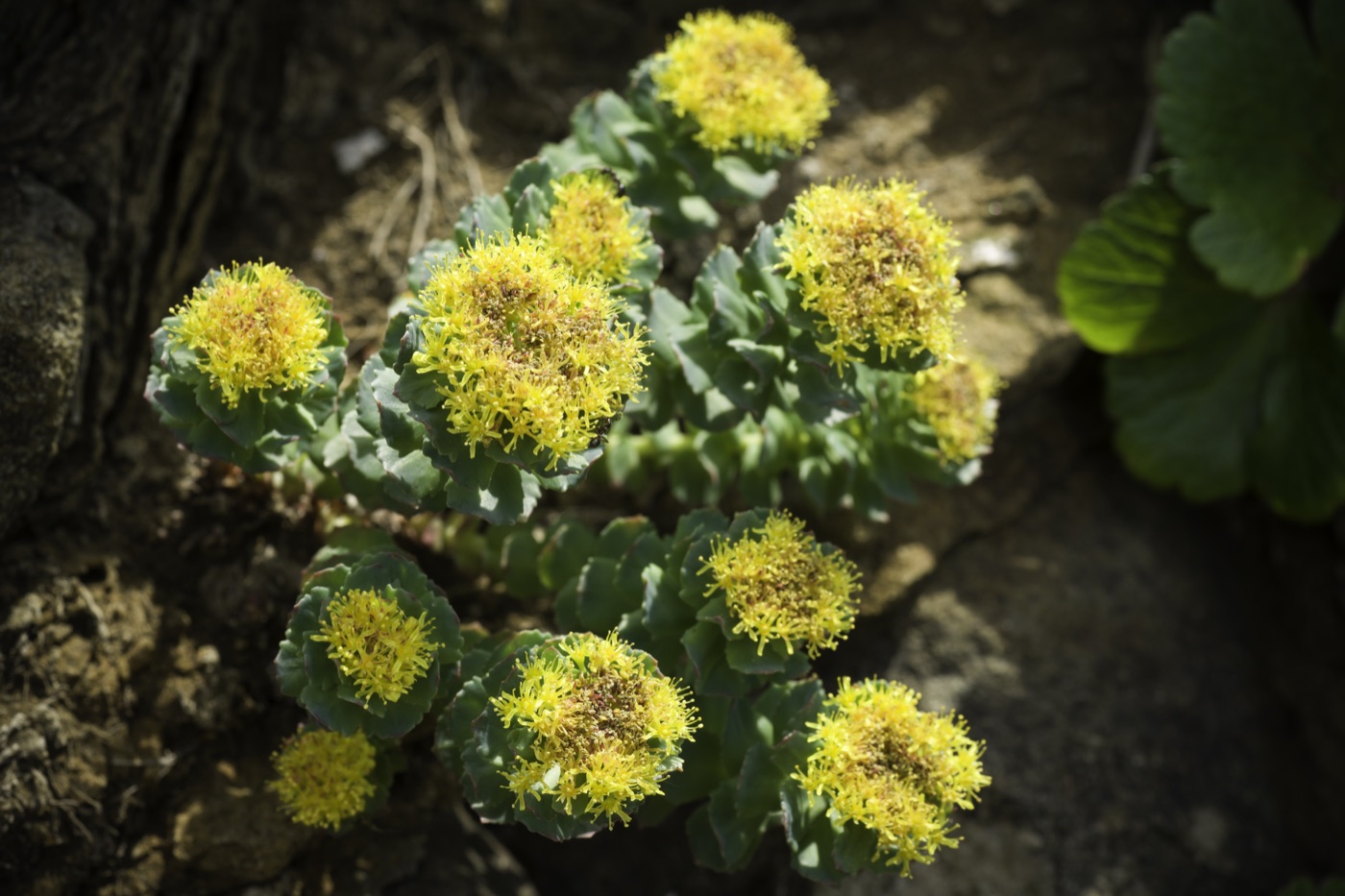
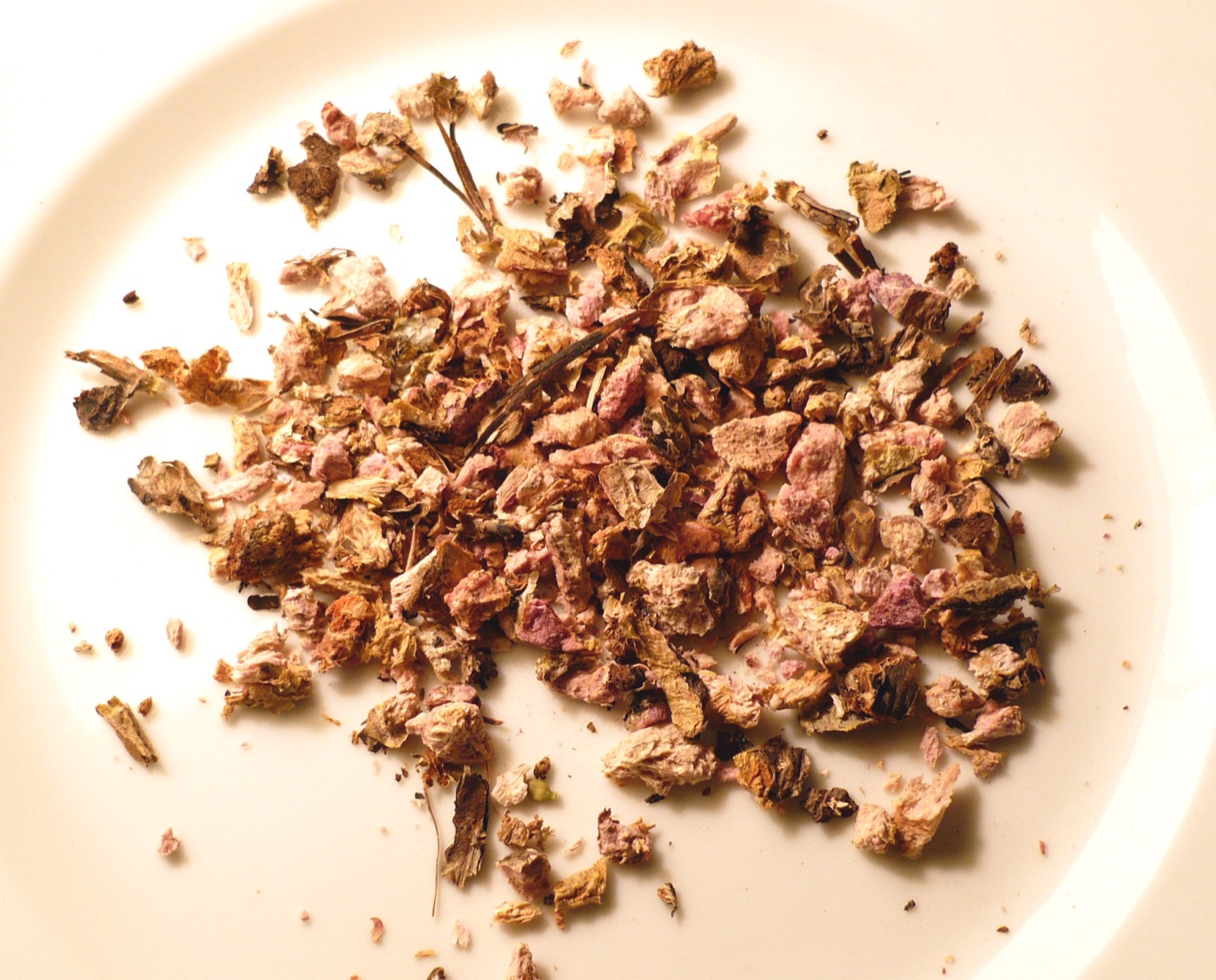
| Names | Rhodiola rosea L.; roseroot, golden root, Arctic root, rosenrot. The "root" used is mostly rhizome, an underground stem. 2 |
| Where it grows | Arctic coasts, sea cliffs and mountains across the Northern Hemisphere; the Altai region of Asia has been a main commercial source. 2,4 |
| What is in it | The quality markers are salidroside and the rosavins (rosavin, rosin, rosarin); most related species lack rosavins, which is how true R. rosea is told from substitutes. 2,3,6 |
| In Free Will | A labeled 400 mg of Rhodiola rosea root extract per scoop (see the Supplement Facts panel), specified at 3% rosavins and 1% salidroside. The supplier spec sheet and certificate of analysis are not yet in hand and will be published here when they are. |
| Doses used in research | 100–576 mg a day, or a single 370–555 mg dose, in the placebo-controlled trials; 8,9,10,11 400 mg a day in the 4-to-12-week open-label studies. 12,13,14 EU traditional-use posology: 144–200 mg per dose, 144–400 mg per day. 1 |
| How fast it works | In the exercise trials a single dose was taken one hour before testing. 18,19 No human pharmacokinetic data had been published when EMA reviewed the herb. 2 |
| Pairs with | Caffeine, 150 mg per scoop, and L-theanine, 250 mg; no trial has tested this exact combination. |
| Regulatory status | In the EU, a registered traditional herbal medicine "for the relief of symptoms of stress, such as fatigue and exhaustion", a status based on long-standing use, not proven efficacy. 1,2 In the U.S., a dietary ingredient. |
Why it's in Free Will
Free Will is built for long, demanding days, and rhodiola's trials were built the same way: a standardized root extract given to healthy people during night shifts, exam weeks or military training, to see whether attention, memory and calculation held up better than on placebo. 8,9,10 That is why it anchors the Focus & Mood half of the formula.
Why 400 mg. The dose sits inside the studied range: placebo-controlled trials used 100 mg a day up to a single 555 mg dose, 8,9,10,11 the EU monograph sets a traditional daily dose of 144–400 mg, 1 and the longer stress and fatigue studies used 400 mg a day. 12,13,14 400 mg sits inside that studied range.
Why we specify 3% rosavins and 1% salidroside. Rhodiola products are often adulterated. Of about 40 commercial products tested in one study, roughly one in five contained no rosavin at all, the marker that separates true R. rosea from most cheaper relatives; 6 a 2025 analysis of 13 supplements found nearly 60% short of the declared amount. 7 The De Bock endurance trial used an extract at 3% rosavin and 1% salidroside, 18 and the specification is checkable. We say "specify" rather than "verified" on purpose: the spec sheet and certificate of analysis for the first batch are not yet in our hands. When they are, they go on this page.
Why with caffeine. Caffeine gives alertness in the first hours; rhodiola's trials measured fatigue over a stressful stretch. Pairing them is a formulation decision, not a studied combination for focus. Three 2025–2026 sports trials did combine them and found the pair beat either alone on power and fatigue measures; where doses are stated they are far higher than Free Will's. 25,26,27 No trial has tested 400 mg of rhodiola with 150 mg of caffeine for attention or mood.
Our honest read: one systematic review rated most trials moderate-to-good in quality but found no independent replications; the other called the evidence contradictory, with high or unclear risk of bias throughout. 16,17 We include rhodiola at a studied dose because the signal points one way and the safety record is good, not because the case is closed.
Safety, and who should skip it
Tolerability. The placebo-controlled fatigue trials reported no serious side effects attributed to the extract, a systematic review counted only a few mild adverse events, and the open-label studies at 400 mg a day for up to 12 weeks reported a low rate of adverse events, mostly mild. 8,11,12,13,14,16 The EU monograph lists headache, nausea, abdominal pain, diarrhoea, rash and itching, frequency not known. 1 The label says Free Will is not for anyone caffeine-sensitive, and to consult a physician before use.
Two servings a day. The label's maximum gives 800 mg of rhodiola extract and 300 mg of caffeine. That is double the EU's traditional daily dose and above any placebo-controlled fatigue trial; the highest, 576 mg a day for 28 days, reported no serious side effects. 1,11 Treat the second scoop as a ceiling, not a routine. Rhodiola is mildly stimulating and comes with caffeine here, so take it early in the day. 3
Medications. In 13 healthy volunteers, two weeks of a rhodiola product modestly reduced the activity of the liver enzyme CYP2C9, which handles drugs such as warfarin and phenytoin. 29 Rhodiola extracts also inhibit monoamine oxidase in test tubes, not shown in people; the EU monograph reports no clinically relevant interactions, but if you take an antidepressant, ask your prescriber first. 1,30
Pregnancy, nursing, under 18. Free Will is not recommended for children, people under 18, or anyone pregnant or nursing; that is on the label. The EU monograph says the same for rhodiola: safety in pregnancy and lactation has not been established, and there is no adequate data under 18. 1
How long. The EU monograph advises seeing a doctor if stress symptoms persist beyond two weeks of use; the open-label trials ran 8 and 12 weeks. 1,13,14 If you feel exhausted every day, that is a conversation with a clinician, not another scoop. For caffeine timing and the daily total, see the caffeine page.
What the research shows
Grades are our editorial read of the human evidence for each specific outcome, not a regulatory rating. MODERATE = several randomized trials pointing the same way, or a meta-analysis. LIMITED = one or two small trials, or mixed results. NOT SHOWN = tested and not found. MECHANISM = a measured biological effect, not a felt benefit. Study details are quoted from published abstracts unless a reference says "full document read".
Mental fatigue, stress and focus
| Outcome | Evidence | Grade |
|---|---|---|
| Mental fatigue during a stressful period | Three placebo-controlled trials of one extract (SHR-5; doses from the EMA assessment report): 56 physicians on night duty, 170 mg daily for two weeks, improved on five fatigue-related tests; 2,8 40 students in exams, 50 mg twice daily for 20 days, improved on mental fatigue and neuro-motor tests; 2,9 161 cadets, a single 370 or 555 mg dose, showed a "pronounced" anti-fatigue effect. 2,10 In 60 adults with stress-related fatigue syndrome, 576 mg a day for 28 days beat placebo on a burnout scale and attention measures. 11 Systematic reviews: high or unclear risk of bias, no independent replication. 16,17 | LIMITED / MIXED |
| Self-reported stress symptoms over weeks | Open-label studies of 200 mg twice daily in 101 people with life stress (4 weeks), 12 100 with prolonged fatigue (8 weeks) 13 and 118 with burnout symptoms (12 weeks) 14 all improved on questionnaires from week one. In 80 mildly anxious people, 14 days lowered self-reported anxiety and stress against a no-treatment control. 15 No placebo groups. | LIMITED |
| Thinking speed and attention when not stressed | 26 healthy men, 600 mg a day for 4 weeks: faster reaction times than placebo. 20 But no cognitive differences in the 80 mildly anxious people; 15 trivial-to-small effects in 18 young adults after four days; 22 and a rhodiola-plus-B-vitamin gum added nothing over plain gum in 36 people. 28 | MIXED |
| Cortisol | The cortisol response to waking changed versus placebo in the 60-person fatigue-syndrome trial; 11 in 26 healthy men, cortisol measured around an exercise test was unchanged although reaction times improved. 20 | MECHANISM |
Physical performance
| Outcome | Evidence | Grade |
|---|---|---|
| Endurance and perceived effort after a single dose | 24 young adults, 200 mg of a 3% rosavin / 1% salidroside extract one hour before cycling: time to exhaustion 16.8 to 17.2 minutes, higher peak oxygen uptake. 18 18 people, 3 mg per kg before a 6-mile time trial: 25.4 versus 25.8 minutes, lower heart rate and perceived exertion. 19 A 2023 systematic review of 13 trials concluded acute dosing helps endurance and perceived exertion, with most trials at unclear or high risk of bias. 23 | MODERATE |
| Endurance with daily use | Four weeks of 200 mg a day changed nothing in 12 people; 18 four weeks of 600 mg a day did not change peak oxygen uptake in 26 men. 20 The 2023 review: chronic use helps anaerobic performance "but not endurance exercise performance." 23 But a 2025 meta-analysis of 26 trials (668 healthy participants, mean intervention 33 days) pooled small improvements in VO2max, time to exhaustion and time-trial performance, larger above 600 mg a day. 24 | MIXED |
| Combined with caffeine (athletes) | Three 2025–2026 placebo-controlled trials (48 male volleyball players, 96 trained and untrained boxing volunteers, 96 male soccer players; 4–8 weeks): caffeine plus rhodiola beat placebo and, on several measures, either alone. The soccer trial used caffeine at 3 mg per kg and rhodiola at 2.4 g a day; the other two abstracts do not state doses. None tests Free Will's doses or a focus outcome. 25,26,27 | LIMITED |
Where a row includes people selected for stress-related fatigue or burnout symptoms, it says so. Studies in diagnosed psychiatric conditions are left out on purpose. For the record, in a 12-week trial of 57 adults with major depression, a rhodiola extract was not significantly better than placebo, and its smaller effect than sertraline was not statistically significant. 34 Free Will is a dietary supplement, not a treatment.
How it works
Rhodiola is called an adaptogen, a term for plant extracts that in lab and animal studies raise general resistance to stress rather than acting on one target. 3,31 In cell and animal work, its extracts and salidroside have been linked to the stress-hormone (HPA) axis, the stress-protective heat-shock protein Hsp70 and the FoxO/DAF-16, p-JNK and PI3K/Akt pathways. 3,31 Root extracts also inhibit monoamine oxidase in a test tube, the proposed link to mood, but that has not been shown in people. 30
How much of that happens in a person taking 400 mg is not settled. Cortisol, the most-cited human marker, is split: changed in the 60-person fatigue-syndrome trial, 11 unchanged in 26 healthy men whose reaction times improved anyway. 20 A plausible mechanism in the lab, a consistent "less effort, less fatigue" signal in small trials, 19 and no proven chain between the two yet.
History
Rhodiola grows where little else does: Arctic coasts, sea cliffs and mountains across the Northern Hemisphere. 2,4 Folk medicine used the root as a tonic to "strengthen the head" and "enhance the intellect", and the Sámi of northern Scandinavia are said to have chewed bits of it on long journeys. 2 Its modern history runs through the Soviet Union, where a liquid extract was approved for medical use in 1969, and Sweden, where the dry extract later named SHR-5 has been sold since 1987 and is behind most of the placebo-controlled trials. 2 That 30-plus years of documented use is why EMA issued a traditional-use monograph in 2012, revised in 2024. 1,2
The newest chapter is supply. Demand grew through the 2000s while wild populations shrank, with illegal harvesting and cheaper Rhodiola species substituted along the trade chain. 4,6 In November 2022 CITES added the whole genus to Appendix II, effective February 23, 2023; international trade in the raw root now needs permits, while finished products packaged for retail are exempt. 5 We will publish our supplier's paperwork.
Questions people ask
Can you take rhodiola with caffeine?
Free Will pairs them, 400 mg rhodiola with 150 mg caffeine, and the EU monograph lists no clinically relevant interactions for rhodiola. 1 Three recent trials in athletes combined the two at higher doses and found the pair outperformed either alone on power and fatigue measures. 25,26,27 No trial has tested the pairing for focus at Free Will's doses. Both are stimulating, so take it early in the day.
Rhodiola vs ashwagandha: which is better?
No trial we found compares them head to head. A 2026 systematic review covered 19 randomized trials of ashwagandha and 5 of rhodiola (120–1,000 mg and 290–1,500 mg a day, 3–16 weeks) and reported benefits across stress, anxiety, sleep, cognition and strength without separating them by herb. 32 A meta-analysis of 12 ashwagandha trials found lower anxiety and stress scores than placebo, with low certainty of evidence. 33 Rhodiola's placebo-controlled trials measured mental fatigue in people under stress, 8,9,10 which is the outcome Free Will, a daytime product, is built around.
Can you take rhodiola every day?
The trials did: placebo-controlled studies ran 2 to 4 weeks at 100–576 mg a day, 8,9,11 and open-label studies ran 8 and 12 weeks at 400 mg a day with mostly mild side effects. 13,14 The EU monograph advises a doctor's visit if stress symptoms persist beyond two weeks. 1
Is 400 mg of rhodiola a good dose?
It is the top of the EU traditional daily range (144–400 mg) and the daily dose used in the 4-to-12-week stress and fatigue studies; 1,12,13,14 placebo-controlled fatigue trials used 100 to 576 mg a day. 8,9,11 Two scoops would be 800 mg, above all of those, which is one reason the label caps you at two servings.
What do "3% rosavins" and "1% salidroside" mean?
They are the two marker compounds used to identify and standardize Rhodiola rosea extract. Rosavins occur in true R. rosea but not in most related species; about one in five products tested in one study had none. 6 De Bock's trial extract was 3% rosavin and 1% salidroside. 18 Free Will specifies the same 3%/1%; the supplier's certificate of analysis will be published once the first batch's paperwork is in hand.
Is rhodiola a stimulant?
A mild one: reviews describe central-nervous-system stimulating activity. 1,3 It is not caffeine: in the cycling trial it lowered heart rate slightly and reduced the feeling of effort, 19 though at 1,500 mg a day for three days plus 500 mg before testing, one small study measured higher noradrenaline. 21 Free Will pairs it with 150 mg of caffeine, so keep the scoop to the earlier part of your day.
References
Every source below was opened before it was linked. Study sizes, doses and results are quoted from the published abstracts, except where a reference says "full document read" or names the sections read.
- European Medicines Agency, Committee on Herbal Medicinal Products (HMPC). European Union herbal monograph on Rhodiola rosea L., rhizoma et radix, Final – Revision 1. EMA/HMPC/24177/2023, 20 March 2024. ema.europa.eu (PDF). Full document read.
- European Medicines Agency, HMPC. Assessment report on Rhodiola rosea L., rhizoma et radix (draft). EMA/HMPC/232100/2011, 12 July 2011. ema.europa.eu (PDF). Sections 1, 2, 4 and 5 read.
- Panossian A, Wikman G, Sarris J. Rosenroot (Rhodiola rosea): traditional use, chemical composition, pharmacology and clinical efficacy. Phytomedicine 2010. PubMed 20378318.
- Brinckmann JA, Cunningham AB, Harter DEV. Running out of time to smell the roseroots: reviewing threats and trade in wild Rhodiola rosea L. J Ethnopharmacol 2021. PubMed 33358852.
- U.S. Fish and Wildlife Service, Office of Law Enforcement. Notice to the Wildlife Import/Export Community: CITES CoP19 amendments to Appendices I and II. January 13, 2023. fws.gov (PDF). Full notice read.
- Booker A, et al. The authenticity and quality of Rhodiola rosea products. Phytomedicine 2016. PubMed 26626192.
- Kołtun-Jasion M, et al. Comprehensive profiling of Rhodiola rosea roots and corresponding products: phytochemical insights and modulation of neuroinflammation in BV2 microglial cell model. Front Pharmacol 2025. PubMed 40672359.
- Darbinyan V, et al. Rhodiola rosea in stress induced fatigue: a double blind cross-over study of a standardized extract SHR-5 with a repeated low-dose regimen on the mental performance of healthy physicians during night duty. Phytomedicine 2000. PubMed 11081987.
- Spasov AA, et al. A double-blind, placebo-controlled pilot study of the stimulating and adaptogenic effect of Rhodiola rosea SHR-5 extract on the fatigue of students caused by stress during an examination period with a repeated low-dose regimen. Phytomedicine 2000. PubMed 10839209.
- Shevtsov VA, et al. A randomized trial of two different doses of a SHR-5 Rhodiola rosea extract versus placebo and control of capacity for mental work. Phytomedicine 2003. PubMed 12725561.
- Olsson EM, von Schéele B, Panossian AG. A randomised, double-blind, placebo-controlled, parallel-group study of the standardised extract SHR-5 of the roots of Rhodiola rosea in the treatment of subjects with stress-related fatigue. Planta Med 2009. PubMed 19016404.
- Edwards D, Heufelder A, Zimmermann A. Therapeutic effects and safety of Rhodiola rosea extract WS® 1375 in subjects with life-stress symptoms: results of an open-label study. Phytother Res 2012. PubMed 22228617.
- Lekomtseva Y, Zhukova I, Wacker A. Rhodiola rosea in subjects with prolonged or chronic fatigue symptoms: results of an open-label clinical trial. Complement Med Res 2017. PubMed 28219059.
- Kasper S, Dienel A. Multicenter, open-label, exploratory clinical trial with Rhodiola rosea extract in patients suffering from burnout symptoms. Neuropsychiatr Dis Treat 2017. PubMed 28367055.
- Cropley M, Banks AP, Boyle J. The effects of Rhodiola rosea L. extract on anxiety, stress, cognition and other mood symptoms. Phytother Res 2015. PubMed 26502953.
- Hung SK, Perry R, Ernst E. The effectiveness and efficacy of Rhodiola rosea L.: a systematic review of randomized clinical trials. Phytomedicine 2011. PubMed 21036578.
- Ishaque S, Shamseer L, Bukutu C, Vohra S. Rhodiola rosea for physical and mental fatigue: a systematic review. BMC Complement Altern Med 2012. PubMed 22643043.
- De Bock K, Eijnde BO, Ramaekers M, Hespel P. Acute Rhodiola rosea intake can improve endurance exercise performance. Int J Sport Nutr Exerc Metab 2004. PubMed 15256690.
- Noreen EE, et al. The effects of an acute dose of Rhodiola rosea on endurance exercise performance. J Strength Cond Res 2013. PubMed 23443221.
- Jówko E, et al. Effects of Rhodiola rosea supplementation on mental performance, physical capacity, and oxidative stress biomarkers in healthy men. J Sport Health Sci 2018. PubMed 30450257.
- Williams TD, et al. Effects of short-term Golden Root Extract (Rhodiola rosea) supplementation on resistance exercise performance. Int J Environ Res Public Health 2021. PubMed 34209617.
- Marcos-Frutos D, et al. The impact of Rhodiola rosea extract on strength performance in alternative bench-press and bench-pull exercises under resting and mental fatigue conditions: a randomized, triple-blinded, placebo-controlled, crossover trial. Nutrients 2025. PubMed 40289957.
- Sanz-Barrio PM, et al. Rhodiola rosea supplementation on sports performance: a systematic review of randomized controlled trials. Phytother Res 2023. PubMed 37495266.
- Wang X, et al. The effect of Rhodiola rosea supplementation on endurance performance and related biomarkers: a systematic review and meta-analysis. Front Nutr 2025. PubMed 41080184.
- Wang Z, et al. Effects of the combined supplementation of caffeine and Rhodiola rosea with resistance training on lower limb explosive power in male volleyball players. Nutrients 2025. PubMed 40005009.
- Tao B, et al. Combined effects of Rhodiola rosea and caffeine supplementation on straight punch explosive power in untrained and trained boxing volunteers. Metabolites 2025. PubMed 40278391.
- Dou Y, et al. Effects of combined caffeine and Rhodiola rosea supplementation on repeated aerial duel performance and neck neuromuscular function in soccer players. Nutrients 2026. PubMed 42123940.
- Haworth E, Haskell-Ramsay CF. Immediate and residual effects of functional chewing gum on sustained attention and mood. Nutr Neurosci 2025. PubMed 39039933.
- Thu OK, Spigset O, Nilsen OG, Hellum B. Effect of commercial Rhodiola rosea on CYP enzyme activity in humans. Eur J Clin Pharmacol 2016. PubMed 26613955.
- van Diermen D, et al. Monoamine oxidase inhibition by Rhodiola rosea L. roots. J Ethnopharmacol 2009. PubMed 19168123.
- Such S, Puchalski C, Kogut Ł, Zaguła G. System-level, molecular and cellular mechanisms of selected plant adaptogens: a review. Nutrients 2026. PubMed 41901106.
- Łuszczak J, Kocki J. Clinical evidence for the adaptogenic effects of Withania somnifera and Rhodiola rosea: a systematic review with molecular interpretation of psychometric outcomes. Ann Agric Environ Med 2026. PubMed 41906501.
- Akhgarjand C, et al. Does ashwagandha supplementation have a beneficial effect on the management of anxiety and stress? A systematic review and meta-analysis of randomized controlled trials. Phytother Res 2022. PubMed 36017529.
- Mao JJ, et al. Rhodiola rosea versus sertraline for major depressive disorder: a randomized placebo-controlled trial. Phytomedicine 2015. PubMed 25837277.
Every milligram. On the label.
No proprietary blends, ever. See every ingredient and the full label on the ingredients & testing page.
More ingredients
GET EARLY ACCESS†These statements have not been evaluated by the Food and Drug Administration. This product is not intended to diagnose, treat, cure, or prevent any disease.