
Caffeine is the most widely consumed stimulant in the world, and the stimulant in Free Will, a dietary supplement. Each scoop carries a labeled 150 mg of natural caffeine anhydrous from coffee beans, an amount within FDA's range for a 12-oz cup of brewed coffee (113–247 mg). 1
In reviews, low-to-moderate doses (about 40–300 mg) improve alertness, vigilance, attention and reaction time for a few hours in most people; effects on memory and complex decision-making are less consistent. 4 150 mg is below EFSA's 200 mg single-dose reference for healthy adults, and the label caps Free Will at two servings a day. 2 It pairs with 250 mg of L-theanine, the two doses tested together in a 2008 crossover trial. 6
Key facts
| Fact | Detail |
|---|---|
| Names | Caffeine; 1,3,7-trimethylxanthine. "Anhydrous" means the water has been removed from the purified powder. |
| In Free Will | A labeled 150 mg per scoop, listed on the Supplement Facts panel as "Natural Caffeine Anhydrous (from Coffee Bean)". Two servings a day maximum. |
| Compared with coffee | A 12-fl-oz cup of brewed coffee has 113–247 mg of caffeine, per FDA. One scoop falls within that range. 1 |
| Onset and duration | Blood levels peak 15–120 minutes after ingestion; the half-life in healthy adults is about 3–7 hours, so a meaningful share of a morning dose can still be circulating in the afternoon. 3 |
| How it's cleared | About 95% is metabolized by one liver enzyme, CYP1A2. Genetic differences in that enzyme, and in the adenosine A2A receptor, are a large part of why people respond so differently. 9 |
| Doses in research | Cognitive effects reported from about 40 mg up to about 300 mg; 4 exercise performance most consistent at 3–6 mg per kg of body weight, with minimal effective doses possibly as low as 2 mg/kg. 8 |
| Reference limits (population references, not individual clearance) | FDA: 400 mg/day "not generally associated with negative effects" for most healthy adults. 1 EFSA: single doses up to 200 mg and habitual intake up to 400 mg/day for healthy adults; up to 200 mg/day in pregnancy; 3 mg/kg/day for children and adolescents. 2 |
Why 150 mg
We set Free Will at 150 mg of caffeine per scoop for three reasons.
It is a dose with direct evidence. In a placebo-controlled crossover of 48 adults tested 30 minutes after drinking 75 or 150 mg of caffeine following overnight abstinence, caffeine improved simple reaction time, digit-vigilance reaction time, working-memory speed and sentence-verification accuracy, reduced self-rated mental fatigue and raised alertness, in habitual and non-habitual users alike. The abstract reports the two doses together, so we treat this as evidence for the 75–150 mg range rather than for 150 mg specifically. 5 Reviews report cognitive effects across roughly 40–300 mg. 4
It sits below the common single-dose reference. 150 mg is under EFSA's 200 mg single-dose reference for healthy adults. 2 In research, higher single doses have come with more side effects: 250 mg raised self-rated jitteriness and blood pressure in a 48-person study, 7 and the ISSN notes that very high doses "are associated with a high incidence of side-effects and do not seem to be required" for a performance effect. 8
It is the caffeine half of a studied pair. 150 mg caffeine with 250 mg L-theanine is the combination in the Haskell 2008 trial, where the pair, versus placebo, improved reaction time, working-memory speed and sentence verification and lowered "tired" and "headache" ratings in 24 adults. 6 Read the L-theanine page for what that study does and doesn't show.
What we don't promise: that you won't feel a dip later, or that 150 mg feels the same to everyone. Caffeine's half-life and receptor genetics vary widely between people, 9 The label says it plainly: Free Will is not recommended for people who are sensitive to caffeine or other stimulants. If that is you, this is not your product.
Safety, and who should skip it
Count everything. Two scoops are 300 mg. Add a 12-oz coffee (113–247 mg) and your day is at 413–547 mg, above the 400 mg/day that FDA cites as "not generally associated with negative effects" for most healthy adults. 1 That figure is a population reference, not a target and not a personal safety guarantee. The label's two-servings-a-day maximum is a daily ceiling; it does not mean 300 mg at once has been tested as a single dose.
Sleep. Caffeine's half-life is about 3–7 hours, 3 so a late dose lingers into the night. In a controlled study, 400 mg taken even 6 hours before bed measurably shortened sleep. 10 That is more than double a scoop, and the 400 mg study does not establish a six-hour cutoff for 150 mg. But 150 mg is not harmless at bedtime either: in 12 healthy men, 150 mg taken at bedtime delayed sleep onset and reduced total sleep time and sleep efficiency. 16 Count back from your own bedtime: for many people that means keeping Free Will to the morning or early afternoon, earlier if you are sensitive.
Sensitivity and medications. Caffeine metabolism is slowed by pregnancy, oral contraceptives and liver disease, sped up by smoking, and altered by many medications. 9 If you take medication or have a heart condition, ask your prescriber before using any caffeinated product. 3
Pregnancy, nursing, under 18. Not recommended, and the label says so. EFSA's reference for pregnancy is 200 mg/day from all sources, and the American College of Obstetricians and Gynecologists advises pregnant women to stay under 200 mg/day; 2,3 FDA recommends talking to a health-care provider. 1 For children and adolescents, EFSA's reference is 3 mg per kg of body weight. 2 A caffeine threshold alone does not establish that this whole formula is suitable in pregnancy.
Stopping. If you use caffeine daily and stop, withdrawal is well documented: headache, fatigue, low energy, drowsiness, irritability and trouble concentrating are the validated symptoms. 11 Taper rather than quit cold.
What the research shows
Grades are our editorial read of the human evidence for each outcome. STRONG = consistent across many trials and reviews. LIMITED = fewer or mixed trials. DOSE MATTERS = effects seen at higher doses than Free Will's. MECHANISM = a measured biological effect. Details are quoted from published abstracts unless a reference says "full text read".
| Outcome | Evidence | Grade |
|---|---|---|
| Alertness, vigilance, attention, reaction time | Consistent improvements after low (~40 mg) to moderate (~300 mg) doses across the literature. 4 At 75–150 mg: faster reaction times, better sentence-verification accuracy, less mental fatigue and higher alertness versus placebo in 48 adults, and the pattern did not fit a withdrawal-relief explanation. 5 | STRONG |
| Memory and complex decision-making | "Less consistent effects" on memory and higher-order executive function such as judgment and decision making. 4 | LIMITED |
| Physical performance | Small-to-moderate benefits to endurance, strength, sprinting and sport-specific tasks at 3–6 mg/kg; aerobic endurance shows the most consistent gains. 8 One scoop is about 2 mg/kg for a 75 kg (165 lb) person, at the possible minimum effective dose, so treat any training benefit as a bonus, not the purpose. 8 | LIMITED |
| Working with L-theanine | A 2014 review of 11 acute studies of tea constituents found moderate effects for theanine plus caffeine on alertness and attention-switching accuracy in the first two hours after dosing; an exploratory analysis suggested the effect size related more to the caffeine dose. 13 A 2025 meta-analysis in healthy participants found small-to-moderate effects on attention-switching and digit-vigilance accuracy in the second hour, with often-wide confidence intervals. 15 | MODERATE |
| Side effects at higher doses, and caffeine near bedtime | 250 mg raised self-rated jitteriness and blood pressure in 48 adults. 7 400 mg within 6 hours of bed reduced total sleep time, 10 and 150 mg taken at bedtime delayed sleep onset and reduced total sleep time in 12 healthy men. 16 | DOSE MATTERS |
| Adenosine-receptor blockade | Caffeine's primary action at dietary doses is antagonism of adenosine receptors in the brain and body. 3,4,12 | MECHANISM |
How it works
Through the day, a molecule called adenosine builds up in the brain and slows nerve firing; that accumulation is part of why you feel sleepier the longer you're awake. Caffeine's shape is close enough to adenosine to sit in its receptors without activating them. With adenosine blocked, neurons fire more readily and you feel more alert. 3,4,12 That receptor blockade is considered the primary mechanism at the doses people actually consume; other proposed mechanisms need far higher concentrations. 12
Caffeine is absorbed fast, peaking in the blood within 15 minutes to two hours, and cleared slowly, with a half-life of roughly 3–7 hours in healthy adults. 3 About 95% of it is broken down by the liver enzyme CYP1A2, and common genetic variants in that enzyme, plus variants in the adenosine A2A receptor itself, explain much of why one person's second coffee is another's sleepless night. 9
Natural vs. synthetic, and a short history
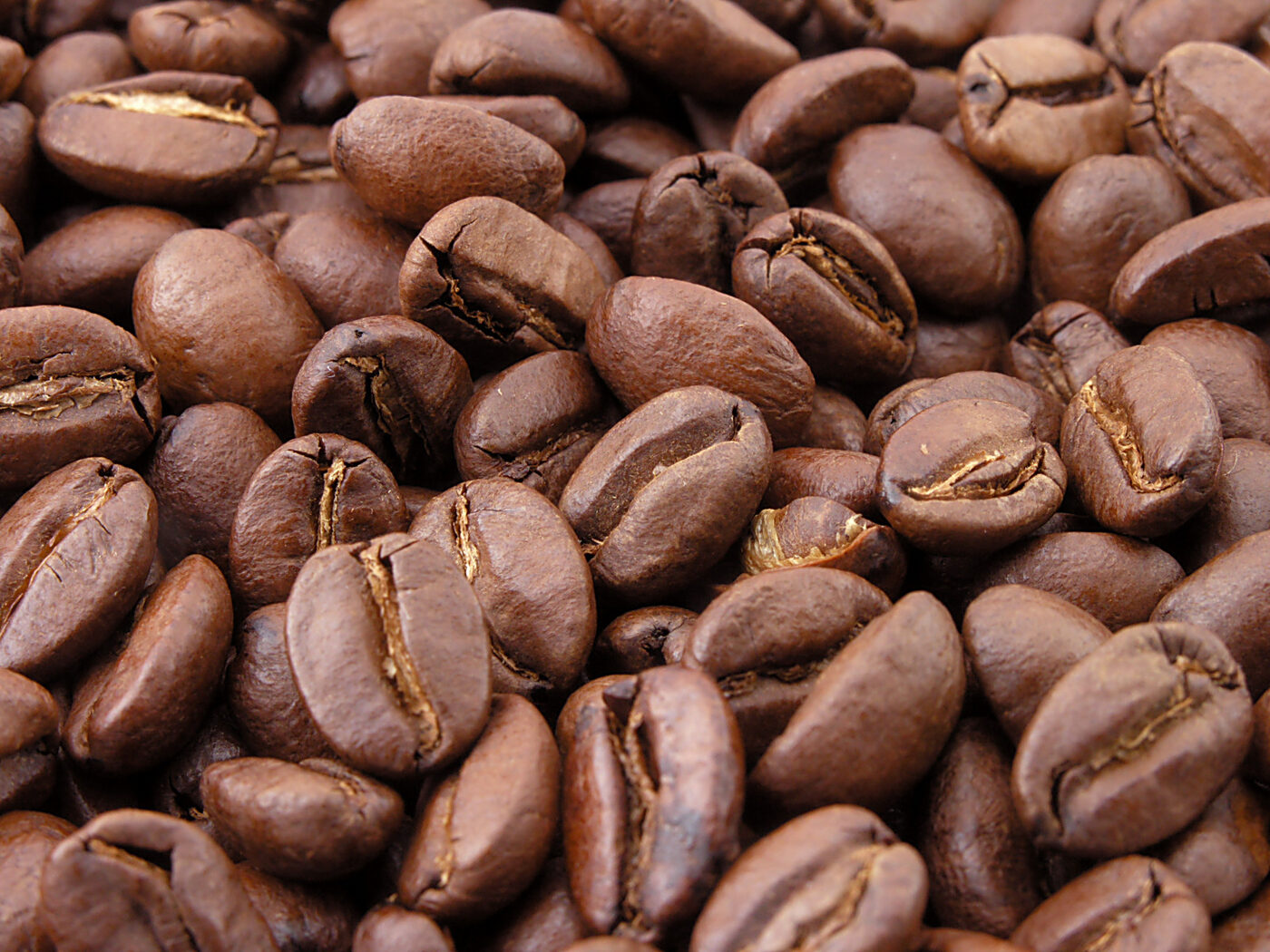
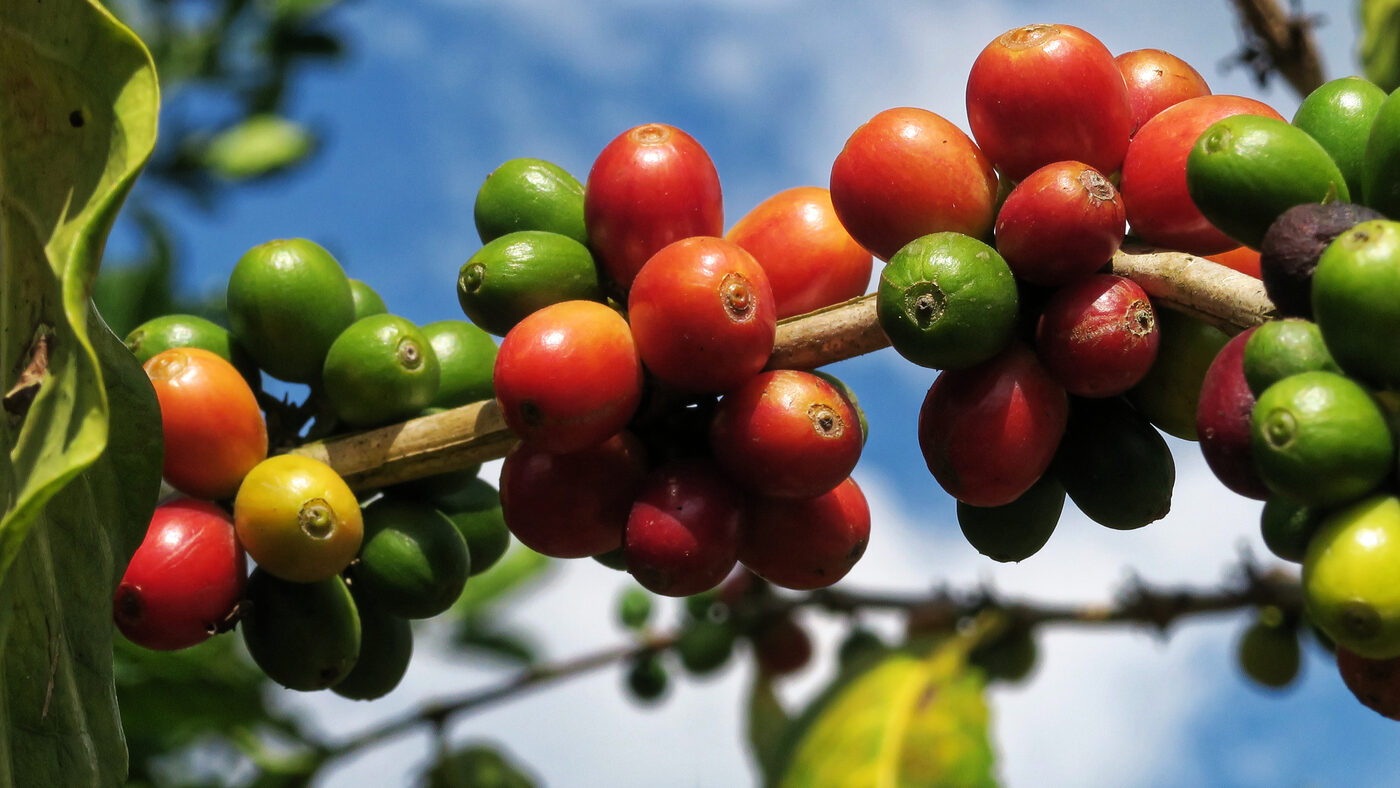
Free Will's caffeine is extracted from coffee beans and purified into caffeine anhydrous. Synthetic caffeine is also widely added to foods and drinks. 3 Chemically, the two are the same molecule, 1,3,7-trimethylxanthine, and your body handles them the same way; "natural" is a sourcing statement, not a safety or strength claim. We chose coffee-bean caffeine because we prefer a plant-derived supply chain, and we say so plainly rather than implying it works differently.
The history of caffeine is the history of two plants. Coffee drinking spread through the Arab world in the fifteenth and sixteenth centuries and became common in Europe in the eighteenth and nineteenth; tea became widespread in China during the Ming dynasty and in Britain during the eighteenth century, and both were used medicinally before they became daily drinks. 14 Today more than 80% of U.S. adults consume caffeine. 4 What is new is the purified, labeled dose: a scoop of Free Will states its caffeine content in milligrams on the label.
Questions people ask
How much caffeine is in Free Will compared with coffee?
A labeled 150 mg per scoop. FDA puts a 12-fl-oz brewed coffee at 113–247 mg, so one scoop falls within the range of one cup. 1 Two scoops (the daily maximum) are 300 mg.
Will 150 mg of caffeine keep me up at night?
It can if you take it late. Caffeine's half-life is about 3–7 hours in healthy adults, 3 in one study 400 mg taken 6 hours before bed still shortened sleep, 10 and 150 mg taken at bedtime delayed sleep onset and cut total sleep time in 12 healthy men. 16 Count back from your bedtime and keep Free Will to the earlier part of your day.
Is 150 mg of caffeine a lot?
It is a moderate dose: under EFSA's 200 mg single-dose reference and under the 400 mg/day that FDA and EFSA cite for healthy adults. 1,2 Those are population references, not personal clearances; people who are sensitive to caffeine can react to less.
Can I take two scoops?
The label allows a maximum of two servings a day, which is 300 mg of caffeine. Count your coffee and tea too: FDA's 400 mg/day reference is for total intake, and two scoops plus one 12-oz coffee already exceeds it. 1 The label does not recommend Free Will for people who are caffeine-sensitive at all.
Is natural caffeine better than synthetic caffeine?
No. Caffeine from coffee beans and synthesized caffeine are the identical molecule, and the body processes them the same way. 3 We use coffee-bean caffeine as a sourcing choice, not a health claim.
Does the L-theanine change how the caffeine feels?
In the trial that used Free Will's doses, theanine plus caffeine improved reaction time and sentence verification and lowered 'tired' and 'headache' ratings compared with placebo. 6 In a separate study, theanine did not reduce caffeine's jitteriness. 7 So: a different profile from placebo, not a caffeine cancel button.
References
Every source below was opened before it was linked. Study sizes, doses and results are quoted from the published abstracts, except where a reference says "full text read" or "page read".
- U.S. Food and Drug Administration. Spilling the Beans: How Much Caffeine Is Too Much? Updated August 28, 2024. fda.gov. Full page read.
- European Food Safety Authority. Scientific Opinion on the safety of caffeine (2015), as summarized on EFSA's caffeine topic page. efsa.europa.eu. Page read.
- Temple JL, et al. The safety of ingested caffeine: a comprehensive review. Front Psychiatry 2017. PubMed 28603504 · full text. Full text read.
- McLellan TM, Caldwell JA, Lieberman HR. A review of caffeine's effects on cognitive, physical and occupational performance. Neurosci Biobehav Rev 2016. PubMed 27612937.
- Haskell CF, et al. Cognitive and mood improvements of caffeine in habitual consumers and habitual non-consumers of caffeine. Psychopharmacology 2005. PubMed 15678363.
- Haskell CF, Kennedy DO, Milne AL, Wesnes KA, Scholey AB. The effects of L-theanine, caffeine and their combination on cognition and mood. Biol Psychol 2008;77(2):113–122. PubMed 18006208. Full text read.
- Rogers PJ, et al. Time for tea: mood, blood pressure and cognitive performance effects of caffeine and theanine administered alone and together. Psychopharmacology 2008. PubMed 17891480.
- Guest NS, et al. International Society of Sports Nutrition position stand: caffeine and exercise performance. J Int Soc Sports Nutr 2021. PubMed 33388079.
- Nehlig A. Interindividual differences in caffeine metabolism and factors driving caffeine consumption. Pharmacol Rev 2018. PubMed 29514871.
- Drake C, et al. Caffeine effects on sleep taken 0, 3, or 6 hours before going to bed. J Clin Sleep Med 2013. PubMed 24235903.
- Juliano LM, Griffiths RR. A critical review of caffeine withdrawal: empirical validation of symptoms and signs, incidence, severity, and associated features. Psychopharmacology 2004. PubMed 15448977.
- Fredholm BB, et al. Actions of caffeine in the brain with special reference to factors that contribute to its widespread use. Pharmacol Rev 1999. PubMed 10049999.
- Camfield DA, et al. Acute effects of tea constituents L-theanine, caffeine, and epigallocatechin gallate on cognitive function and mood: a systematic review and meta-analysis. Nutr Rev 2014. PubMed 24946991.
- Fredholm BB. Notes on the history of caffeine use. Handb Exp Pharmacol 2011. PubMed 20859791.
- Effects of tea (Camellia sinensis) or its bioactive compounds L-theanine or L-theanine plus caffeine on cognition, sleep, and mood in healthy participants: a systematic review and meta-analysis of randomized controlled trials. Nutr Rev 2025. PubMed 40314930.
- Paterson LM, Nutt DJ, Ivarsson M, Hutson PH, Wilson SJ. Effects on sleep stages and microarchitecture of caffeine and its combination with zolpidem or trazodone in healthy volunteers. J Psychopharmacol 2009. PubMed 19351801.
Every milligram. On the label.
No proprietary blends, ever. See every ingredient and the full label on the ingredients & testing page.
More ingredients
GET EARLY ACCESS†These statements have not been evaluated by the Food and Drug Administration. This product is not intended to diagnose, treat, cure, or prevent any disease.