

Creatine is a compound your body makes and stores mostly in muscle, where it recycles the cell's fast energy currency during short, hard efforts. 2,3 Free Will, a dietary supplement, carries a labeled 1 g of creatine HCl per scoop.
That is a daily top-off, not a creatine protocol. The research on strength and repeated high-intensity performance uses 3–5 g a day of creatine monohydrate, or 20 g a day to load, 5,6,7 and no trial has tested 1 g a day on its own. We use the HCl form because it dissolves cleanly in a flavored drink; the claim that HCl works at lower doses than monohydrate is not established in people. 8,10
Key facts
| Fact | Detail |
|---|---|
| Names | Creatine; N-methylguanidinoacetic acid. "HCl" is creatine hydrochloride, a salt far more soluble than creatine monohydrate, the form used in almost all research. 8,9 |
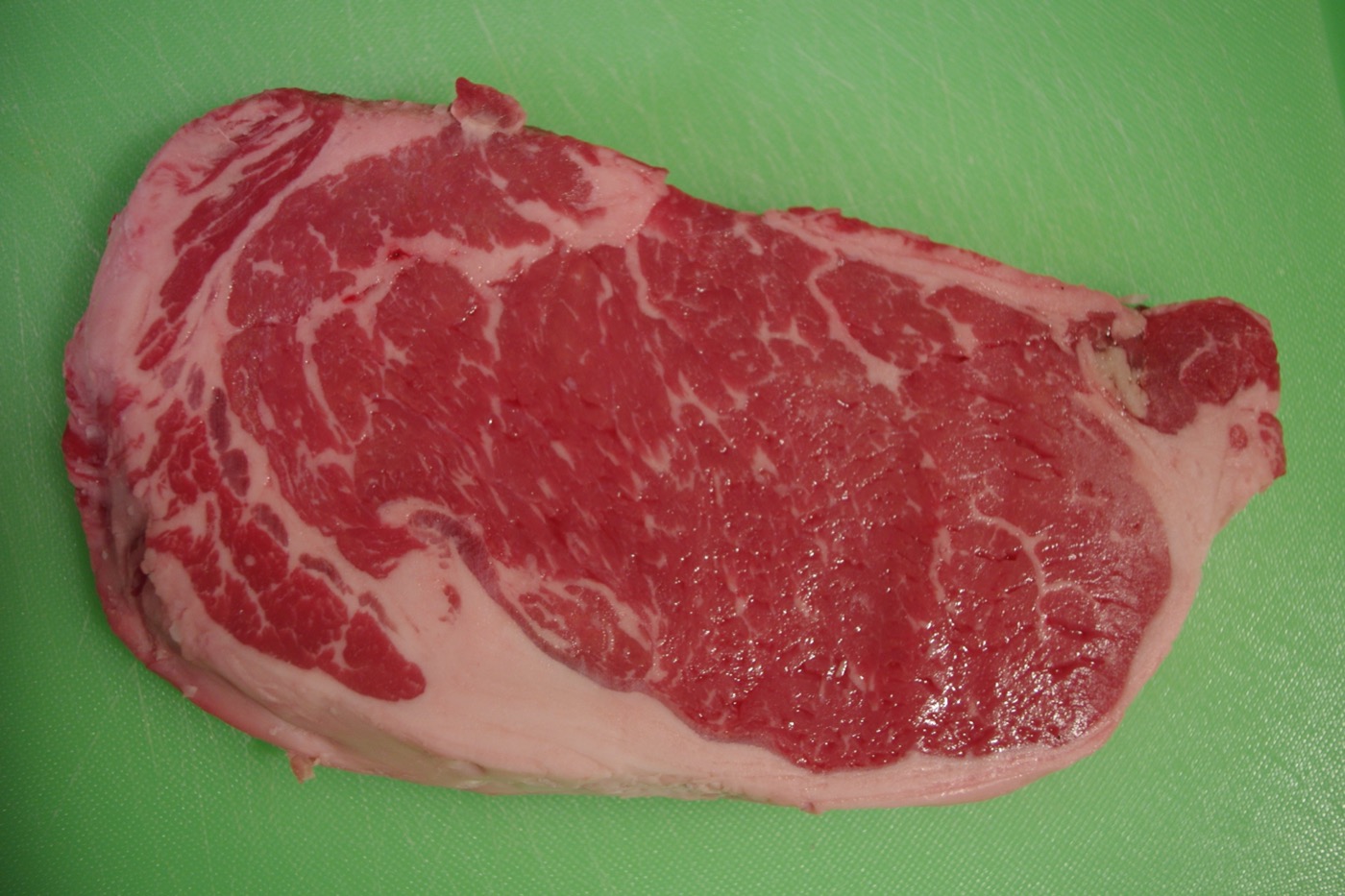
| Where it comes from | Made in the body from glycine, arginine and methionine; the rest comes from meat and fish, so vegetarians get almost none from food. 3 A 5 g dose is about the creatine in 1.1 kg of raw steak; 1 g is roughly half a pound's worth. 4 |
| Where it is stored | Mostly in skeletal muscle, at roughly 4.3 g per kg of wet muscle; 32 a smaller pool sits in the brain. 3 |
| In Free Will | A labeled 1 g of creatine HCl per scoop (see the Supplement Facts panel); two servings a day maximum. Source and manufacturer will be published once the first production batch and its paperwork are in hand. |
| Doses used in research | 20 g/day for 5–7 days to load muscle, or 3 g/day for about a month; 2 g/day maintained loaded stores. 5 Field recommendation: 3–5 g/day. 7 The EU-authorised performance claim requires 3 g/day. 14 A store you fill, not a stimulant. |
| Pairs with | Caffeine, 150 mg per scoop. One small study found high-dose caffeine cancelled the performance effect of a creatine loading week; evidence on the pairing is scarce. 16,17 |
| Regulatory status | In 2020 FDA responded "no questions" to a GRAS notice for one manufacturer's creatine monohydrate at 1.0 g of creatine per serving in energy drinks and powdered drink mixes. 31 That covers that ingredient and those uses, not any product; no notice for creatine HCl appears in the inventory. |
Why 1 g, and why HCl
Why 1 g. Because that is the most creatine that fits in a 6.2 g scoop alongside twelve other actives. Free Will is not a creatine product, and we won't pretend a gram does what five grams do. The doses with evidence are 3–5 g of creatine monohydrate a day, or a 20 g/day loading week, 6,7,12,13 and the EU's authorised performance claim is conditioned on 3 g a day. 14 The lowest dose we found with a measured effect is about 2.3 g/day, which improved fatigue resistance over six weeks without weight gain. 15 2 g/day maintained stores after loading but was never tested as a starting dose, 5 and single 1 g doses produced only a modest rise in blood creatine compared with 5 g. 4
So what is 1 g for? A daily contribution to a pool your body turns over constantly, in the range a meat-eater gets from a serving of steak or fish. 3,4 If you already take creatine, keep taking it; a scoop adds one gram. If you don't, a scoop is not a 3–5 g protocol.
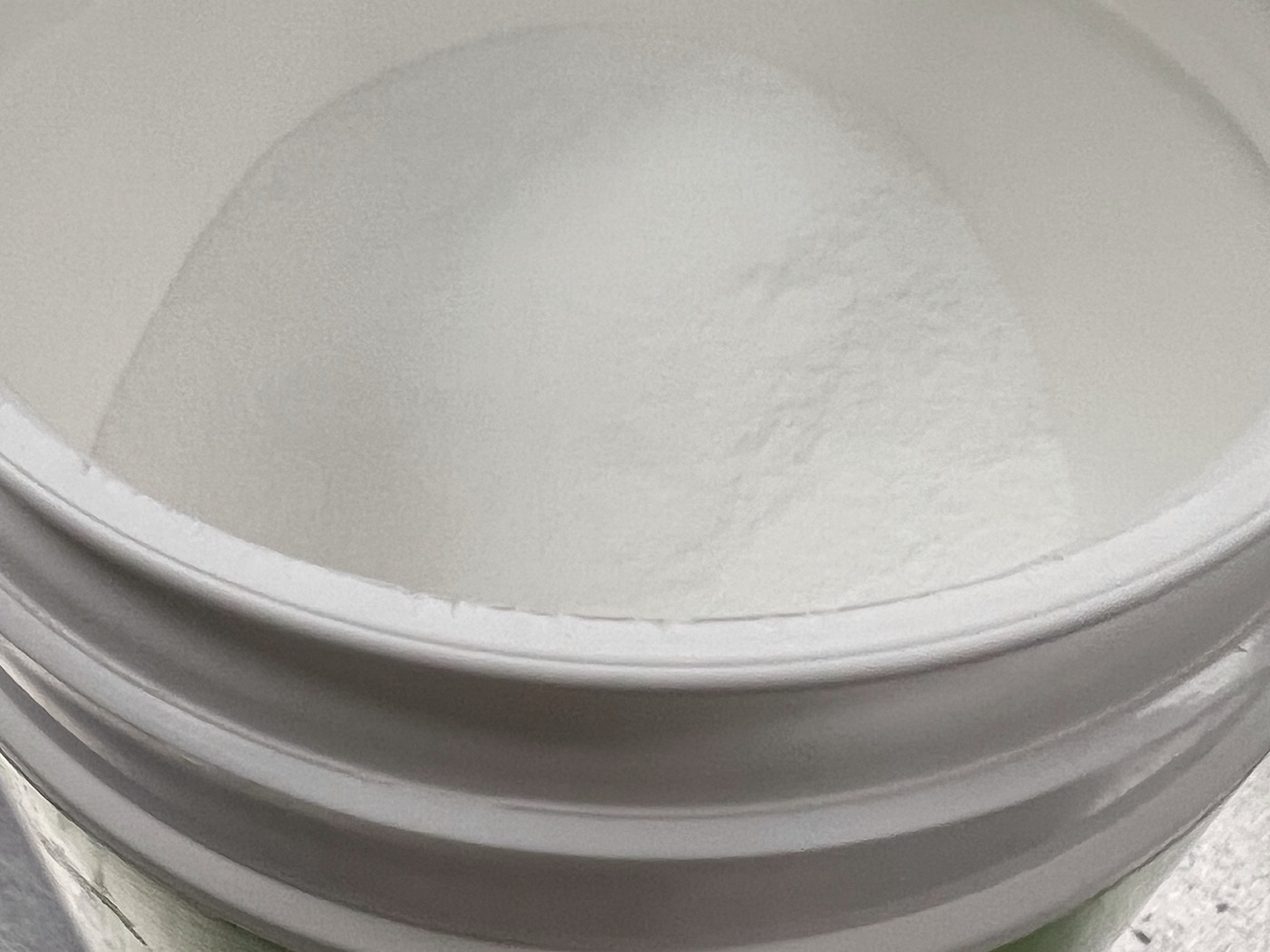
Why HCl. Two reasons, graded separately. The first is solid: creatine HCl is about 38 times more water-soluble than monohydrate, 9 which dissolves at only about 14 g per liter at 20 °C. 7 In a powder you shake in a bottle, that means no grit. The second is the claim that HCl "absorbs better", so a smaller dose does the job. We chose HCl partly on that claim, and its evidence is thin: a 2022 critical review found no PubMed-indexed trials of creatine HCl on muscle creatine retention or performance, 8 the two trials since are split, 10,11 and in cell-culture permeability tests HCl and monohydrate did not differ. 9 Our read: a real solubility advantage, an unproven absorption advantage. We will not claim that 1 g of HCl equals more than 1 g of creatine.
What the evidence does not show, and what we don't claim: that 1 g/day raises muscle or brain creatine, that Free Will improves strength, power or muscle mass, that HCl loads muscle faster than monohydrate, or that creatine makes a healthy young adult sharper.
Safety, and who should skip it
Tolerability. The International Society of Sports Nutrition describes creatine monohydrate up to 30 g/day for five years as safe and well tolerated in healthy people, 6 a 2019 meta-analysis found it "does not induce renal damage in the studied amounts and durations", 28 and a review of ten trials found no effect on heat tolerance or fluid balance. 29 Free Will's 1–2 g/day sits far below those doses. That record is for monohydrate; creatine HCl has far less safety data of its own. 8,33
Water weight, hair, kidneys. Loading doses can add water weight in the first days; the 2021 expert review concludes creatine "may not lead to water retention" longer term, 7 and 2.3 g/day for six weeks changed neither body mass nor total body water. 15 The hair-loss worry rests on one 20-person study where a 25 g/day loading week raised DHT 56%; 30 no study has measured hair loss, and the review concludes the evidence "does not indicate" creatine causes it. 7 Creatine breaks down into creatinine, the marker used to estimate kidney function, so supplementing can nudge a blood test without meaning harm; 3,7 if you have kidney disease, talk to your prescriber first.
Caffeine. Each scoop also carries 150 mg of caffeine; two scoops are 300 mg before counting coffee or tea. In nine men, 5 mg/kg of caffeine (about 375 mg for a 75 kg person) during a creatine loading week eliminated the 10–23% torque gain creatine alone produced, though muscle phosphocreatine rose in both conditions. 16 A 2015 review calls the evidence "scarce" and a pharmacokinetic interaction "unlikely". 17 Whether 150 mg changes what 1 g of creatine does is unknown. See the caffeine page.
Pregnancy, nursing, under 18. Not recommended, and the label says so. Creatine has been studied in adolescents and in pregnancy in research settings, 6 but nothing establishes that this caffeinated formula is suitable for those groups.
What the research shows
Grades are our editorial read of the human evidence for each outcome, at the doses studied, not a regulatory rating. STRONG = consistent across many trials and meta-analyses. MODERATE = several trials pointing the same way. LIMITED = one or two small trials, or mixed results. NOT SHOWN = tested and not found, or never tested at Free Will's dose. MECHANISM = a measured biological effect, not a felt benefit. Details are from published abstracts unless a reference says "full text read".
Muscle and performance
| Outcome | Evidence | Grade |
|---|---|---|
| Short, high-intensity, repeated efforts (3–5 g/day or after loading) | Meta-analysis of 100 placebo-controlled studies: small, significant effects on lean mass (0.17) and tasks of 30 seconds or less (0.24). 12 53 trials (1,138 people): upper-limb strength effect size 0.32. 13 EFSA: established at 3 g/day for high-intensity exercise; not established for endurance. 14 | STRONG |
| Raising muscle creatine with a low daily dose (2–3 g/day) | 3 g/day for 28 days raised muscle creatine about 20%, matching a 20 g/day loading week. 5 About 2.3 g/day for six weeks raised plasma creatine 182% and fatigue resistance 7–11% in 20 young adults, with no change in maximal strength. 15 | MODERATE |
| Any measured effect at 1 g/day | Not tested. Single doses of 1 g or less produced only a modest rise in plasma creatine compared with 5 g. 4 No trial has measured muscle or brain creatine, performance or cognition at 1 g/day. | NOT SHOWN |
| Creatine HCl absorbs better or outperforms monohydrate | HCl is about 38 times more soluble, with no difference in cell-monolayer permeability. 9 No PubMed-indexed human trials as of 2022. 8 Since then: 40 adults, 8 weeks, HCl "showing no benefit over" monohydrate at the same dose; 10 40 soccer players (10 per group), 4 weeks, larger jump, sprint and peak-power gains with HCl than monohydrate. 11 | LIMITED / MIXED |
Brain and cognition in healthy adults
| Outcome | Evidence | Grade |
|---|---|---|
| Brain creatine rises with supplementation | Six healthy volunteers, 20 g/day for four weeks: brain total creatine rose 8.7% on average, reversible within three months. 18 Brain uptake is slow, so single doses must be very large to register. 22 | MECHANISM |
| Memory | 2023 meta-analysis of 8 RCTs in healthy people: small improvement (SMD 0.29), driven by adults aged 66–76 (0.88); in 11–31-year-olds, 0.03 and not significant. 24 2024 meta-analysis of 16 RCTs (492 people): memory SMD 0.31. 25 EFSA 2024: cause and effect not established; effects at 20 g/day were not seen at 2.2–14 g/day. 26 | LIMITED / MIXED |
| Reasoning and working memory in vegetarians | 45 young vegetarians, 5 g/day for six weeks, crossover: better working memory and Raven's matrices scores. 19 128 young women, 20 g/day for five days: memory improved in vegetarians only; verbal fluency and vigilance unchanged. 20 | LIMITED |
| Holding up under sleep deprivation | 19 people, 20 g/day for seven days, then 24 hours awake: less decline in reaction time, balance and mood than placebo. 21 A single 0.35 g/kg dose (about 26 g) during 21 hours awake improved processing speed. 22 | LIMITED |
| Attention, executive function, overall cognition | No effect on overall cognition or executive function in the 2024 meta-analysis; 25 attention results "conflicting" and performance "unchanged in young individuals" in a 2018 review. 23 No study used 1 g/day. | NOT SHOWN |
Not covered here on purpose: studies in people with neurological, psychiatric or muscular conditions, or creatine-synthesis disorders. Free Will is a dietary supplement, not a treatment, and those studies don't tell you what a scoop will do for a healthy adult.
How it works
A muscle fiber in a hard contraction burns through its ATP in a couple of seconds. Creatine buys time: the enzyme creatine kinase parks a phosphate on creatine to make phosphocreatine, and when ATP runs low the reaction runs backward and hands that phosphate back, regenerating ATP almost instantly. Phosphocreatine also shuttles high-energy phosphate from the mitochondria to the sites where it is spent. 2,3 That is why the benefits in research show up in short, repeated, all-out efforts rather than endurance work. 12,14
The pool is not fixed. Creatine breaks down into creatinine, which leaves in the urine, so the body replaces a share every day from synthesis and food. 3 Supplementing raises the muscle store, most in people who start low, up to a ceiling near the top of the normal range. 4 Stop, and it drifts back over about a month. 5 The brain takes up oral creatine slowly, which is why brain studies use weeks of high doses. 18,22
On the HCl form: pairing creatine with hydrochloric acid makes a salt that dissolves readily. 9 Once dissolved, creatine slowly cyclizes into creatinine, faster when warm and acidic, which is why ready-to-drink creatine beverages have been hard to make and why Free Will is a dry powder you mix and drink fresh. 7,8
History
Creatine was discovered in meat by the French chemist Michel Eugène Chevreul in the 1830s; 1,32 the name comes from kreas, Greek for flesh. 2 The modern era began in 1992, when Harris, Söderlund and Hultman showed that repeated 5 g doses raised muscle creatine in healthy volunteers by as much as 50%. 4 Four years later the same group mapped the doses labels still copy: 20 g/day for six days, or 3 g/day for a month, then 2 g/day to hold. 5
Hundreds of trials followed, and creatine monohydrate became the reference form recommended by professional societies. 6,8 Creatine hydrochloride was characterized among six creatine salts in 2010, 9 reviews in 2011 and 2022 found "little to no evidence" that any newer form beats monohydrate, 8,33 FDA responded to a GRAS notice for monohydrate at 1 g per serving in drink mixes in 2020, 31 and the first head-to-head human trials of HCl reached PubMed only in 2024 and 2026. 10,11
Questions people ask
Creatine HCl vs monohydrate: which is better?
Monohydrate has the evidence: hundreds of trials and the recommendation of professional societies. 6,8 HCl has one clear advantage, solubility, about 38 times higher. 9 Head-to-head human trials are few and split. 10,11 We use HCl because it mixes cleanly, not because it has been shown to work better.
Is 1 g of creatine a day enough?
Not for the effects in the research. Those come from 3–5 g/day or a 20 g/day loading week; 5,7 the lowest dose with a measured effect we found is about 2.3 g/day. 15 No study has tested 1 g/day. Treat a scoop as a top-off, roughly the creatine in half a pound of raw steak, 4 and keep taking your usual dose if you have one.
Why put creatine in an energy drink at all?
Because it is a normal dietary compound with a large safety record, 6,28 and a gram fits the scoop. FDA raised no questions when one manufacturer notified creatine monohydrate as GRAS at exactly 1 g per serving in energy drinks and powdered drink mixes. 31 Creatine degrades in liquid over days, so a dry mix you drink fresh is the right format. 7,8
What is the right creatine HCl dose?
There is no established HCl-specific dose. Sellers suggest 1–2 g on the claim that HCl absorbs better, which has not been shown in people. 8 The two published trials used about 0.03 g/kg, roughly 2–2.5 g/day, the same as the monohydrate dose they compared it with. 10,11 For a creatine effect, the evidence points to 3–5 g/day, whichever form. 7
Does creatine help your brain?
Sometimes, in some people, at high doses. Meta-analyses find a small memory benefit concentrated in adults over 65 and no effect on overall cognition; 24,25 effects have been seen in vegetarians and after a night without sleep at 5–20 g/day; 19,20,21 reviews place the most plausible benefit in older adults or under metabolic stress. 23,27 EFSA concluded in 2024 that cause and effect has not been established. 26 Nothing has been tested at 1 g/day; we don't claim a brain effect.
Does creatine cause hair loss or hurt your kidneys?
Hair: one 20-person study saw DHT rise after a 25 g/day loading week; no study has measured hair loss, and the expert review concludes the evidence does not indicate creatine causes it. 7,30 Kidneys: a 2019 meta-analysis found no renal damage at studied doses in healthy people, 28 though creatine raises blood creatinine, which can confuse a kidney test. 7 Kidney disease: ask your prescriber first.
References
Every source below was opened before it was linked. Study sizes, doses and results are quoted from the published abstracts, except where a reference says "full text read" or "page read".
- Heymsfield SB, et al. Assessing skeletal muscle mass: historical overview and state of the art. J Cachexia Sarcopenia Muscle 2014. PubMed 24532493.
- Wyss M, Kaddurah-Daouk R. Creatine and creatinine metabolism. Physiol Rev 2000. PubMed 10893433.
- Brosnan JT, Brosnan ME. Creatine: endogenous metabolite, dietary, and therapeutic supplement. Annu Rev Nutr 2007. PubMed 17430086.
- Harris RC, Söderlund K, Hultman E. Elevation of creatine in resting and exercised muscle of normal subjects by creatine supplementation. Clin Sci (Lond) 1992. PubMed 1327657.
- Hultman E, et al. Muscle creatine loading in men. J Appl Physiol 1996;81(1):232–237. PubMed 8828669.
- Kreider RB, et al. International Society of Sports Nutrition position stand: safety and efficacy of creatine supplementation in exercise, sport, and medicine. J Int Soc Sports Nutr 2017. PubMed 28615996.
- Antonio J, et al. Common questions and misconceptions about creatine supplementation: what does the scientific evidence really show? J Int Soc Sports Nutr 2021. PubMed 33557850 · full text. Full text read.
- Kreider RB, et al. Bioavailability, efficacy, safety, and regulatory status of creatine and related compounds: a critical review. Nutrients 2022. PubMed 35268011 · full text. Full text read.
- Gufford BT, et al. Physicochemical characterization of creatine N-methylguanidinium salts. J Diet Suppl 2010. PubMed 22432515.
- Eghbali E, et al. Supplementing with which form of creatine (hydrochloride or monohydrate) alongside resistance training can have more impacts on anabolic/catabolic hormones, strength and body composition? Physiol Res 2024. PubMed 39545789.
- Duan C, et al. Creatine formulations and repeated sprint training: effects on physical and physiological adaptations in soccer players during the short-term preparation phase. J Int Soc Sports Nutr 2026. PubMed 42720250.
- Branch JD. Effect of creatine supplementation on body composition and performance: a meta-analysis. Int J Sport Nutr Exerc Metab 2003. PubMed 12945830.
- Lanhers C, et al. Creatine supplementation and upper limb strength performance: a systematic review and meta-analysis. Sports Med 2017. PubMed 27328852.
- EFSA Panel on Dietetic Products, Nutrition and Allergies (NDA). Scientific Opinion on the substantiation of health claims related to creatine and increase in physical performance during short-term, high intensity, repeated exercise bouts, increase in endurance capacity, and increase in endurance performance. EFSA Journal 2011;9(7):2303. doi:10.2903/j.efsa.2011.2303. Full text read.
- Rawson ES, et al. Low-dose creatine supplementation enhances fatigue resistance in the absence of weight gain. Nutrition 2011. PubMed 20591625.
- Vandenberghe K, et al. Caffeine counteracts the ergogenic action of muscle creatine loading. J Appl Physiol 1996;80(2):452–457. PubMed 8929583.
- Trexler ET, Smith-Ryan AE. Creatine and caffeine: considerations for concurrent supplementation. Int J Sport Nutr Exerc Metab 2015. PubMed 26219105.
- Dechent P, et al. Increase of total creatine in human brain after oral supplementation of creatine-monohydrate. Am J Physiol 1999. PubMed 10484486.
- Rae C, et al. Oral creatine monohydrate supplementation improves brain performance: a double-blind, placebo-controlled, cross-over trial. Proc Biol Sci 2003. PubMed 14561278.
- Benton D, Donohoe R. The influence of creatine supplementation on the cognitive functioning of vegetarians and omnivores. Br J Nutr 2011. PubMed 21118604.
- McMorris T, et al. Effect of creatine supplementation and sleep deprivation, with mild exercise, on cognitive and psychomotor performance, mood state, and plasma concentrations of catecholamines and cortisol. Psychopharmacology 2006. PubMed 16416332.
- Gordji-Nejad A, et al. Single dose creatine improves cognitive performance and induces changes in cerebral high energy phosphates during sleep deprivation. Sci Rep 2024. PubMed 38418482.
- Avgerinos KI, et al. Effects of creatine supplementation on cognitive function of healthy individuals: a systematic review of randomized controlled trials. Exp Gerontol 2018. PubMed 29704637.
- Prokopidis K, et al. Effects of creatine supplementation on memory in healthy individuals: a systematic review and meta-analysis of randomized controlled trials. Nutr Rev 2023. PubMed 35984306.
- Xu C, et al. The effects of creatine supplementation on cognitive function in adults: a systematic review and meta-analysis. Front Nutr 2024. PubMed 39070254.
- EFSA Panel on Nutrition, Novel Foods and Food Allergens (NDA). Creatine and improvement in cognitive function: evaluation of a health claim pursuant to Article 13(5) of Regulation (EC) No 1924/2006. EFSA Journal 2024. PubMed 39564533.
- Candow DG, et al. "Heads Up" for creatine supplementation and its potential applications for brain health and function. Sports Med 2023. PubMed 37368234.
- de Souza e Silva A, et al. Effects of creatine supplementation on renal function: a systematic review and meta-analysis. J Ren Nutr 2019. PubMed 31375416.
- Lopez RM, et al. Does creatine supplementation hinder exercise heat tolerance or hydration status? A systematic review with meta-analyses. J Athl Train 2009. PubMed 19295968.
- van der Merwe J, Brooks NE, Myburgh KH. Three weeks of creatine monohydrate supplementation affects dihydrotestosterone to testosterone ratio in college-aged rugby players. Clin J Sport Med 2009. PubMed 19741313.
- U.S. FDA. GRAS Notice No. 931, creatine monohydrate, submitted by AlzChem Trostberg GmbH; FDA response "no questions", notice closed November 12, 2020; notified use at 1.2 g creatine monohydrate (1.0 g creatine) per serving in energy drinks, dry powdered drink mixes and other listed foods. FDA GRAS inventory. Page read.
- McCarthy C, et al. D3-creatine dilution for skeletal muscle mass measurement: historical development and current status. J Cachexia Sarcopenia Muscle 2022. PubMed 36059250.
- Jäger R, et al. Analysis of the efficacy, safety, and regulatory status of novel forms of creatine. Amino Acids 2011. PubMed 21424716.
Every milligram. On the label.
No proprietary blends, ever. See every ingredient and the full label on the ingredients & testing page.
More ingredients
GET EARLY ACCESS†These statements have not been evaluated by the Food and Drug Administration. This product is not intended to diagnose, treat, cure, or prevent any disease.