

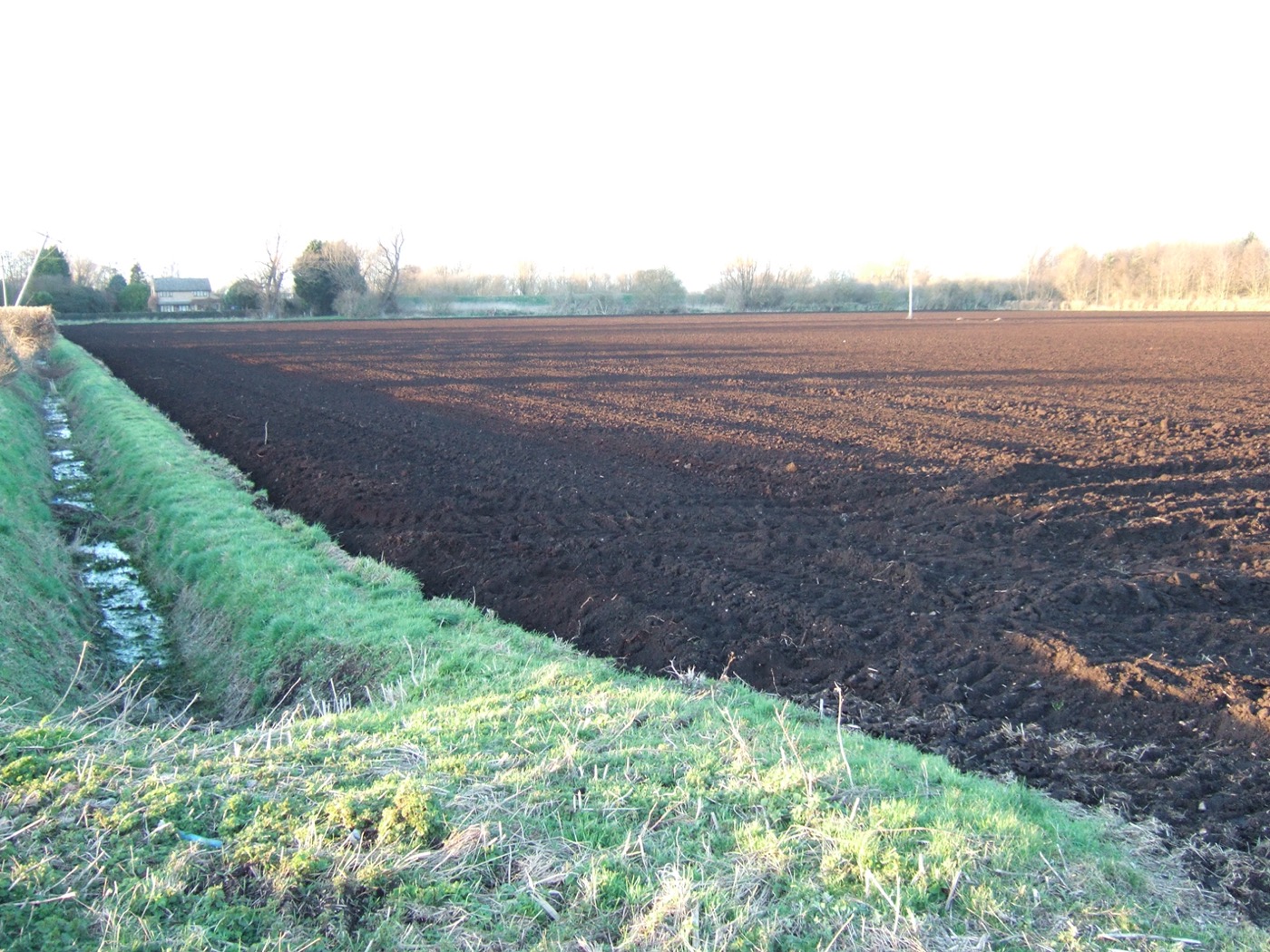
Fulvic acid is a humic substance: a family of complex organic acids formed as plant matter decomposes in soil, peat and the mountain rock seeps that produce shilajit. 1,2,5 Free Will, a dietary supplement, carries a labeled 250 mg per scoop of a fulvic trace mineral complex (Rējen™). It is in the formula as a trace-mineral source.
We grade this one plainly: human research on fulvic acid is thin. A handful of small trials, most on shilajit extracts rather than a purified fulvic complex, have looked at muscle strength, hormone and collagen markers, gene expression and safety. 7,8,9,12,13 None tested 250 mg in an energy drink, and no human trial shows fulvic acid improves the absorption of other ingredients. We don't claim it does.
Key facts
| Fact | Detail |
|---|---|
| Names | Fulvic acid; the fulvic fraction of humic substances. Related: humic acid, humate, and shilajit (mumie, mumijo, moomiyo, momiai, "mineral pitch"), a fulvic-rich rock exudate. |
| What it is | Not a single molecule but a family of organic acids formed as plant matter is broken down by soil microbes. It is extracted from soil, peat, low-rank coal such as lignite, and shilajit. 1,2 Humic substances make up more than 80% of shilajit by weight, by one review's estimate. 6 |
| In Free Will | A labeled 250 mg per scoop of a fulvic trace mineral complex, the branded ingredient Rējen™ from Compound Solutions (see the Supplement Facts panel). The supplier describes it as a fulvic and humic acid complex carrying more than 70 trace minerals, separated without base-acid chemical extraction. 20 We have not independently verified the mineral count. |
| Doses used in research | Shilajit extracts: 250–1,000 mg per day for 8 to 14 weeks; 8,11,12 250 mg twice daily for 90 days. 9 Purified fulvic acid: up to 40 mL of a 3.8% solution (roughly 1.5 g) twice daily for one week in a phase 1 safety study. 13 No trial has tested 250 mg of a fulvic complex in an energy formula. |
| Onset and absorption | Not established. We found no published human pharmacokinetic data for fulvic acid. |
| Pairs with | The mineral side of the formula: chloride, sodium, potassium, magnesium and zinc. See the electrolyte page. |
| Testing | Our Certificate of Analysis for the first production batch will be published on the ingredients & testing page once that batch is tested. Until then we make no statement about results. |
Why it's in Free Will
The fulvic complex is the trace-mineral line of the formula: fulvic acids bind metal ions, so a fulvic complex carries a spread of minerals along with the acids themselves. 2,23 That is the whole reason it is here. Riley chose a purified, branded complex, Rējen™, over raw shilajit because purification and batch testing are how heavy-metal risk is managed (see Safety). 250 mg is the label amount; it sits at the low end of the doses used in the shilajit trials, which is context, not a rationale we can cite.
What we don't claim, and why. Fulvic acid is often sold as something that "supercharges absorption" of everything taken with it. That claim traces back to lab and animal work in which fulvic acid improved the solubility of poorly soluble drugs. 23,24 No human trial has shown that a fulvic complex increases the absorption of vitamins, minerals or the other actives in a drink like this one, so that line is not on our label or on this page. We also don't claim it "detoxes", boosts energy on its own, or replaces the minerals in a balanced diet.
What the evidence says at our dose. The one trial that tested 250 mg per day against placebo (63 recreationally active men, 8 weeks, a shilajit extract) found no difference on strength retention after a fatiguing protocol; the 500 mg group did better in a sub-group analysis. 8 Other trials used 500 to 1,000 mg per day and measured biomarkers, not how people felt or performed. 10,11,12 All of them used shilajit extracts, which are fulvic-rich but not the same material as Rējen™. Read them as a rough neighbourhood, not as proof for our ingredient.
Our honest read: a low-dose trace-mineral source with an early research base, mostly on a cousin material. It earns its place for what it is, minerals bound to a natural organic acid, not for a benefit we can't cite.
Safety, and who should skip it
Heavy metals are the real issue. Fulvic and humic acids bind metals; that is why they carry trace minerals, and also why raw shilajit and unpurified humic material can carry lead, arsenic, mercury and cadmium from rock and soil. 15,23 Shilajit sold in India and Pakistan has tested above permissible limits for lead, arsenic and mercury; 16 a 2026 analysis of 12 samples from several countries found toxic metals below toxicity thresholds; 17 a 2024 review concluded that consuming shilajit without knowing its metal levels "is not safe". 15 The problem is wider than shilajit: a JAMA study found one in five Ayurvedic medicines bought online, US- or India-made, contained detectable lead, mercury or arsenic, 18 and FDA has warned about heavy-metal poisoning tied to certain Ayurvedic products. 19
This is why Free Will uses a purified, branded complex and will publish its own Certificate of Analysis. The supplier states that Rējen™ has low heavy-metal content; 20 we would rather show you our batch's numbers than repeat theirs. Until the first batch is tested, we make no statement about results.
Tolerability in trials. 125–250 mg of shilajit extract twice daily for 14 weeks in healthy women was not associated with any reported adverse effect; 11 250 mg twice daily for 8 weeks in overweight adults was "well tolerated" with no change in blood glucose, lipids or creatine kinase; 10 a small 2003 study (no placebo group is described) gave 2 g a day for 45 days without change in blood pressure, pulse or blood counts. 21 For purified fulvic acid, a phase 1 study in 30 men (all with allergic atopy) found no severe adverse events at up to 40 mL of a 3.8% solution twice daily for a week, with ECG and blood chemistry monitored. 13 Short studies, small groups; long-term human safety data do not exist.
Medications. Because these acids chelate metals and can interact with drug molecules in the lab, 23,24 ask your prescriber before combining Free Will with prescription medication, especially anything dosed in a narrow range.
Pregnancy, nursing, under 18. Not recommended, and the label says so. There is no human safety data for fulvic acid in these groups.
Caffeine. Each scoop also carries 150 mg of caffeine; two scoops are 300 mg before coffee or tea. See the caffeine page.
What the research shows
Grades are our editorial read of the human evidence for each outcome, not a regulatory rating. MODERATE = several randomized trials pointing the same way (nothing on this page earns it). LIMITED = one or two small trials, or mixed results. NOT SHOWN = tested and not found, or never tested in people. MECHANISM = a measured biological signal, not a felt benefit. Details are quoted from published abstracts. Every row in the first table used a shilajit extract, not Rējen™.
Shilajit extracts (fulvic-rich, but not our ingredient)
| Outcome | Evidence | Grade |
|---|---|---|
| Strength retention after fatiguing exercise, at 250 mg/day | 63 recreationally active men, 8 weeks, randomized to 250 mg, 500 mg or placebo. In the stronger half of participants, the 500 mg group lost less maximal strength after two sets of 50 fatiguing leg extensions (8.9% decline vs 16.0% for placebo). The 250 mg group was no different from placebo (p = 0.774). 8 | NOT SHOWN |
| Strength retention at 500 mg/day | Same trial: the 500 mg result comes from the stronger half of participants; the abstract reports that sub-group result only, not a whole-group one. 8 An open-label 28-day pilot in 25 men at 500 mg/day reported gains in leg-press strength and lower fatigue scores, but with no placebo group those cannot be separated from training or expectation. 22 | LIMITED |
| Collagen-synthesis marker | 35 recreationally trained men, 8 weeks, 500 or 1,000 mg/day: serum pro-c1α1 (a marker of type 1 collagen synthesis) rose from about 42 to 82 ng/mL at 500 mg and to 113 ng/mL at 1,000 mg, and did not change on placebo. 12 A blood marker, not a measured change in skin, tendon or joints. | MECHANISM |
| Muscle and skin gene expression | 8 weeks at 250 mg twice daily in overweight adults raised expression of 17 extracellular-matrix genes in muscle biopsies versus baseline; 10 14 weeks at 125–250 mg twice daily in healthy middle-aged women induced blood-vessel-growth genes and improved skin microperfusion at the higher dose. 11 Gene-level signals from small groups. | MECHANISM |
| Testosterone in men aged 45–55 | One randomized, placebo-controlled trial: 250 mg twice daily for 90 days raised total and free testosterone and DHEA-S versus placebo; the abstract gives no effect sizes or participant number. 9 A blood marker from one trial in one age group; we make no hormone claim. | MECHANISM |
Purified fulvic acid
| Outcome | Evidence | Grade |
|---|---|---|
| Short-term safety in people | Phase 1, double-blind: 30 men with allergic atopy took escalating oral doses of a carbohydrate-derived fulvic acid up to 40 mL of 3.8% twice daily for a week, then crossed over with placebo. Safety parameters "remained constant"; no severe adverse events. A drop in skin-prick allergy response was reported as a proof-of-concept signal. 13 | LIMITED |
| Improving absorption of other nutrients | No human trial. The claim rests on lab and animal work using fulvic acid as a pharmaceutical excipient to raise the solubility of poorly soluble drugs, 24 and on reviews describing its amphiphilic structure. 23 Nothing tested it with vitamins, minerals or supplement actives in people. | NOT SHOWN |
| Tau protein aggregation | In a test tube, fulvic acid inhibited assembly of tau filaments and shortened preformed fibrils. 14 A 2012 review called this a reason to study shilajit further; no human cognition trial exists. 5 | MECHANISM |
| Inflammation and immune activity | Animal and cell data only. A 2018 mini-review concluded that "available research has been minimal"; 1 a 2025 review of 1,860 humic-substance papers found "only a limited number of studies have progressed to preclinical validation". 23 | MECHANISM |
Not covered here on purpose: shilajit trials in people with diagnosed conditions (osteopenia, bone fracture, metabolic-syndrome risk factors). Free Will is a dietary supplement, not a treatment, and those studies don't tell you what a scoop will do for a healthy adult.
How it works
Fulvic acid is not one compound with one receptor. It is a mixture of small organic acids left behind when microbes break down plant material, and the mixture varies with the raw material and the extraction method. 2 It is dense with carboxylic and phenolic groups, which reviews tie to metal chelation, and quinone groups, tied to redox activity in cells. 23 The metal-binding is the property Free Will uses: a fulvic complex arrives with trace minerals attached.
In shilajit, researchers name fulvic acids and dibenzo-α-pyrones as the likely actives. 7 The human mechanism data are gene-expression studies: extracellular-matrix genes in muscle and vessel-growth genes in skin went up after weeks of a shilajit extract. 10,11 What that means for how you feel or perform has not been shown. Whether fulvic acid is absorbed intact, how much, and how fast are open questions; we found no human pharmacokinetic study to cite.
History
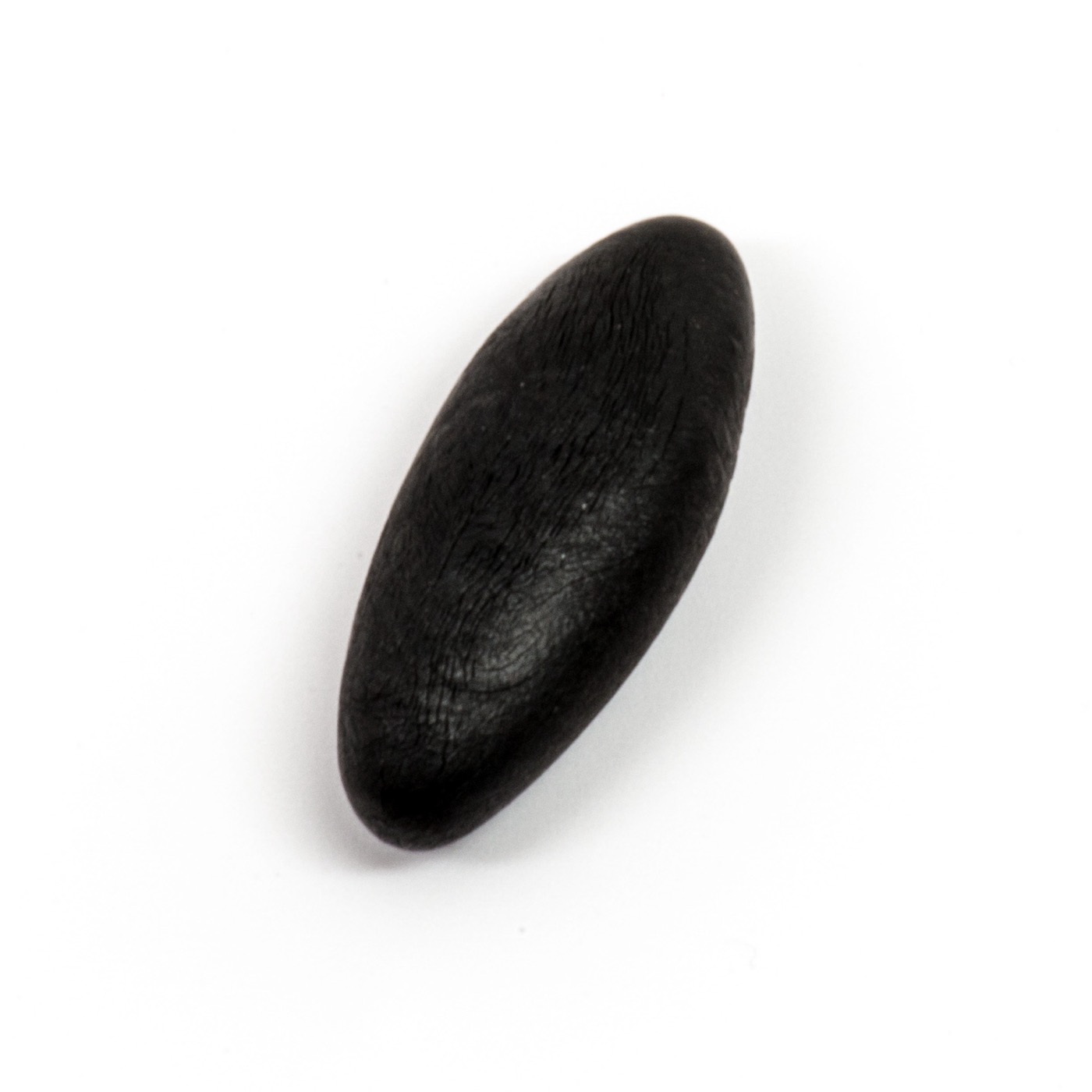
The story of fulvic acid as a supplement is really the story of shilajit. Ayurveda and Siddha medicine classed the tar-like exudate as a rasayana, a rejuvenator; a 2011 review counted it in twenty classical formulations while noting it "lacks scientific evaluation and systematic documentation". 4 Persian physicians, including Avicenna in the Canon of Medicine, recorded it as moomiaii for digestive complaints and bone pain. 25 In Tibetan medicine it is Zhaxun, and a 2020 field study traced the seeps to organic-carbon-rich metamorphic rock on steep, sunny cliffs at 2,000–4,000 m. 26
Modern chemistry reframed the material: shilajit is mostly humic substances, the same class soil scientists study in peat and lignite, with fulvic acid singled out as the main active fraction. 3,5,6 Even so, a 2025 review concluded its full composition "is not known with certainty". 6 Purified fulvic ingredients like Rējen™ are recent, and so is the clinical research: nearly every human study on this page was published after 2010.
Questions people ask
What is fulvic acid?
A humic substance: a mixture of organic acids formed when soil microbes break down plant matter. It is extracted from peat, soil, low-rank coal and shilajit, and it binds metal ions, which is why fulvic products carry trace minerals. 1,2,23 Free Will carries 250 mg per scoop of a fulvic trace mineral complex, Rējen™.
Shilajit vs fulvic acid: what's the difference?
Shilajit is a raw rock exudate from ranges such as the Himalayas; more than 80% of it is humic substances, of which fulvic acid is the main active fraction. 3,6 A fulvic complex is the purified acid fraction plus its bound minerals. Most human research is on shilajit extracts, 7 and raw shilajit is where heavy-metal contamination has been documented. 15,16
Does fulvic acid have proven benefits?
Not by the standard we use for the rest of the formula. The human trials are small, short and mostly on shilajit extracts: one strength study where 250 mg/day was no different from placebo, 8 a collagen-marker study, 12 two gene-expression studies 10,11 and one hormone trial in men aged 45–55. 9 Reviews call the research minimal. 1,7 Nothing on this page grades above LIMITED.
Is fulvic acid safe? What about heavy metals?
Short studies at 250–500 mg/day of shilajit extract and about 3 g/day of purified fulvic acid reported no serious adverse events. 10,11,13 The real risk is contamination: unpurified shilajit has tested above limits for lead, arsenic and mercury. 15,16 That is why Free Will uses a purified branded complex and will publish its own Certificate of Analysis once the first batch is tested.
Does fulvic acid help you absorb other nutrients?
No human trial shows it. The idea comes from lab and animal studies using fulvic acid to raise the solubility of poorly soluble drugs. 23,24 Nobody has tested it with the vitamins, minerals or actives in a supplement in people, so we don't make that claim.
Why put fulvic minerals in an energy drink, and why 250 mg?
It is the trace-mineral line of the formula: fulvic acids arrive with a spread of bound minerals. 2,23 250 mg sits at the low end of the doses used in the shilajit trials; 8,9,10 those trials used shilajit extracts, so equal milligrams don't make the two equivalent. Two scoops a day, the label maximum, is 500 mg.
References
Every source below was opened before it was linked. Study sizes, doses and results are quoted from the published abstracts, except where a reference says "page read". Nearly all of the human studies used shilajit extracts, not the Rējen™ complex in Free Will.
- Winkler J, Ghosh S. Therapeutic potential of fulvic acid in chronic inflammatory diseases and diabetes. J Diabetes Res 2018. PubMed 30276216.
- Yousaf I, Gao L, Riaz I, et al. Advances in fulvic acid extraction from lignite: techniques, challenges, and applications. Environ Monit Assess 2026. PubMed 41860641.
- Agarwal SP, Khanna R, Karmarkar R, et al. Shilajit: a review. Phytother Res 2007. PubMed 17295385.
- Wilson E, Rajamanickam GV, Dubey GP, et al. Review on shilajit used in traditional Indian medicine. J Ethnopharmacol 2011. PubMed 21530631.
- Carrasco-Gallardo C, Guzmán L, Maccioni RB. Shilajit: a natural phytocomplex with potential procognitive activity. Int J Alzheimers Dis 2012. PubMed 22482077.
- Kamgar E, Kaykhaii M, Zembrzuska J. A comprehensive review on shilajit: what we know about its chemical composition. Crit Rev Anal Chem 2025. PubMed 38133965.
- Stohs SJ. Safety and efficacy of shilajit (mumie, moomiyo). Phytother Res 2014. PubMed 23733436.
- Keller JL, Housh TJ, Hill EC, et al. The effects of Shilajit supplementation on fatigue-induced decreases in muscular strength and serum hydroxyproline levels. J Int Soc Sports Nutr 2019. PubMed 30728074.
- Pandit S, Biswas S, Jana U, et al. Clinical evaluation of purified Shilajit on testosterone levels in healthy volunteers. Andrologia 2016. PubMed 26395129.
- Das A, Datta S, Rhea B, et al. The human skeletal muscle transcriptome in response to oral shilajit supplementation. J Med Food 2016. PubMed 27414521.
- Das A, El Masry MS, Gnyawali SC, et al. Skin transcriptome of middle-aged women supplemented with natural herbo-mineral shilajit shows induction of microvascular and extracellular matrix mechanisms. J Am Coll Nutr 2019. PubMed 31161927.
- Neltner TJ, Sahoo PK, Smith RW, et al. Effects of 8 weeks of shilajit supplementation on serum pro-c1α1, a biomarker of type 1 collagen synthesis: a randomized control trial. J Diet Suppl 2024. PubMed 36546868.
- Gandy JJ, Meeding JP, Snyman JR, et al. Phase 1 clinical study of the acute and subacute safety and proof-of-concept efficacy of carbohydrate-derived fulvic acid. Clin Pharmacol 2012. PubMed 22427734.
- Cornejo A, Jiménez JM, Caballero L, et al. Fulvic acid inhibits aggregation and promotes disassembly of tau fibrils associated with Alzheimer's disease. J Alzheimers Dis 2011. PubMed 21785188. In vitro (test-tube) study.
- Hussain A, Saeed A. Hazardous or advantageous: uncovering the roles of heavy metals and humic substances in shilajit (phyto-mineral) with emphasis on heavy metals toxicity and their detoxification mechanisms. Biol Trace Elem Res 2024. PubMed 38393486.
- Aldakheel RK, Gondal MA, Alsayed HN, et al. Rapid determination and quantification of nutritional and poisonous metals in vastly consumed Ayurvedic herbal medicine (rejuvenator shilajit) by humans using three advanced analytical techniques. Biol Trace Elem Res 2022. PubMed 34800280.
- Kamgar E, Angaïts A, Zembrzuska J, et al. Characterization of metal composition and molecular weight distribution in shilajit. J Trace Elem Med Biol 2026. PubMed 42364294.
- Saper RB, Phillips RS, Sehgal A, et al. Lead, mercury, and arsenic in US- and Indian-manufactured Ayurvedic medicines sold via the Internet. JAMA 2008. PubMed 18728265.
- U.S. Food and Drug Administration. FDA warns about heavy metal poisoning associated with certain unapproved ayurvedic drug products. Content current as of December 2, 2025. fda.gov. Page read; it concerns a specific Ayurvedic product, not shilajit or fulvic acid.
- Compound Solutions. Rējen™ ingredient page. compoundsolutions.com. Supplier marketing page, read September 25, 2026; its statements are the supplier's, not independent findings.
- Sharma P, Jha J, Shrinivas V, et al. Shilajit: evaluation of its effects on blood chemistry of normal human subjects. Anc Sci Life 2003. PubMed 22557121. Small, older study; the abstract describes no control group.
- Yadav D, Mishra S, Shah KM, et al. Safety and efficacy of TruBlk™ shilajit resin supplementation on physical performance and blood biomarkers in healthy adults: a 28-day open-label pilot study. Cureus 2026. PubMed 41613504. No placebo group.
- Xin P, Liu Q, Zhang K, et al. Functional groups as functional drivers: structure-activity relationships in humic substances for medical applications. Environ Geochem Health 2025. PubMed 41222777.
- Gnananath K, Nataraj KS, Rao BG, et al. Exploration of fulvic acid as a functional excipient in line with the regulatory requirement. Environ Res 2020. PubMed 32445947. Lab and animal work, not a human trial.
- Shahriari M, Zare F, Nimrouzi M. The curative role of bitumen in traditional Persian medicine. Acta Med Hist Adriat 2018. PubMed 30488706.
- Ding R, Zhao M, Fan J, et al. Mechanisms of generation and exudation of Tibetan medicine Shilajit (Zhaxun). Chin Med 2020. PubMed 32612671.
Every milligram. On the label.
No proprietary blends, ever. See every ingredient and the full label on the ingredients & testing page.
More ingredients
GET EARLY ACCESS†These statements have not been evaluated by the Food and Drug Administration. This product is not intended to diagnose, treat, cure, or prevent any disease.